见好就收
jiàn hǎo jiù shōu
Knowing when to stop · trad. 見好就收
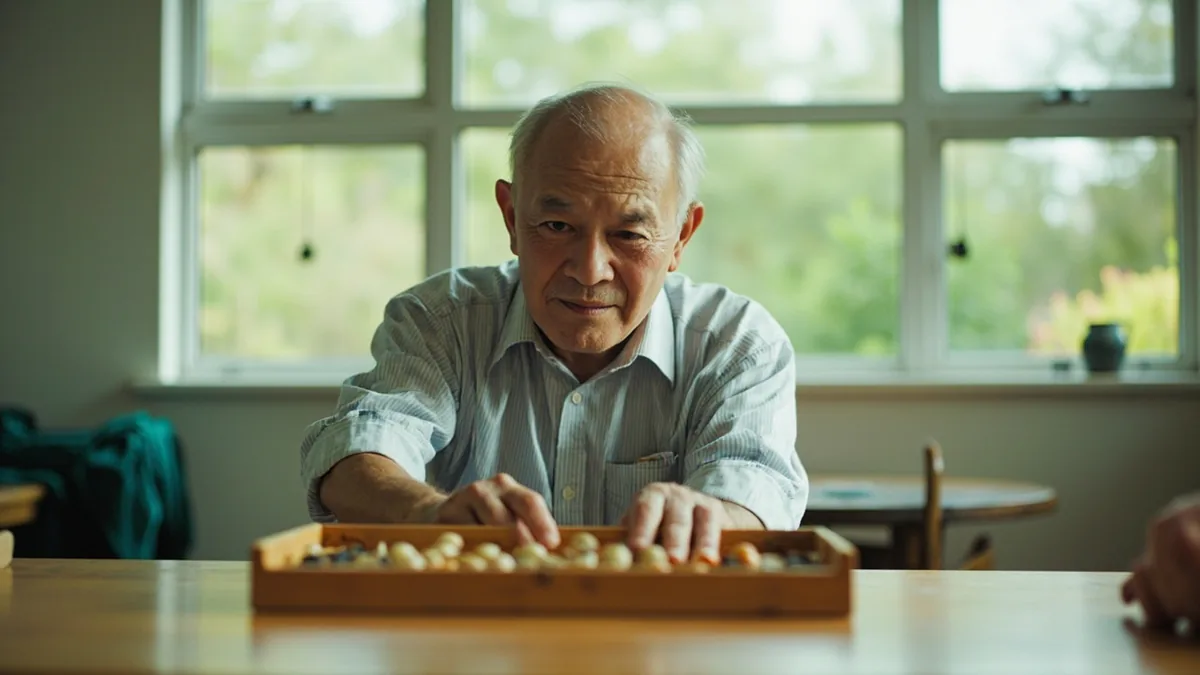
Acknowledges when a situation is favorable and advises stopping at that point. Prevents pushing one's luck or continuing until things turn bad. Often used in contexts of gambling, negotiations, or taking advantage of an opportunity.
What does 见好就收 (jiàn hǎo jiù shōu) mean?
见好就收 (jiàn hǎo jiù shōu) means "knowing when to stop" in English. Word for word, it breaks down as "See the good and then stop."
Character by character
- 见 jiàn see, perceive
- 好 hǎo good, favorable
- 就 jiù then, immediately
- 收 shōu withdraw, stop
When to use it
Applies to situations where continuing might lead to losses or negative consequences. Encourages prudence and self-control, particularly when one has achieved a desirable outcome. It can be a warning against greed or overconfidence.
Example
同事劝告他要见好就收,不要不识抬举。
Tóngshì quàngào tā yào jiàn hǎo jiù shōu, búyào bùshítáijǔ.
His colleague advised him to know when to stop.
Pro tip: The phrase suggests that the 'good' is a temporary state, and one should capitalize on it by exiting before it changes.
Related idioms
货真价实 · Genuine goods fair price坚持不懈 · Sustained perseverance见机行事 · Acting on opportunity
Want to speak Chinese for real?
Start a free lesson with a native teacher →
Start a free lesson with a native teacher →