Chinese Festivals & HolidaysDates, customs, food and greetings, with native audio
Most traditional Chinese festivals follow the lunar calendar, so their dates move every year. Here is the calendar for 2026–2030, and a guide to each festival: what it celebrates, what people do and eat, and what to say — with pinyin and native teacher audio.
Chinese festival calendar 2026–2030
| Festival | Chinese | 2026 | 2027 | 2028 | 2029 | 2030 |
|---|---|---|---|---|---|---|
| Laba Festival | 腊八节 | 26 Jan | 15 Jan | 4 Jan | 22 Jan | 11 Jan |
| Chinese New Year (Spring Festival) | 春节 | 17 Feb | 6 Feb | 26 Jan | 13 Feb | 3 Feb |
| Lantern Festival | 元宵节 | 3 Mar | 20 Feb | 9 Feb | 27 Feb | 17 Feb |
| Qingming Festival (Tomb-Sweeping Day) | 清明节 | 5 Apr | 5 Apr | 4 Apr | 4 Apr | 5 Apr |
| Dragon Boat Festival | 端午节 | 19 Jun | 9 Jun | 28 May | 16 Jun | 5 Jun |
| Qixi Festival (Chinese Valentine's Day) | 七夕节 | 19 Aug | 8 Aug | 26 Aug | 16 Aug | 5 Aug |
| Hungry Ghost Festival | 中元节 | 27 Aug | 16 Aug | 3 Sep | 24 Aug | 13 Aug |
| Mid-Autumn Festival (Moon Festival) | 中秋节 | 25 Sep | 15 Sep | 3 Oct | 22 Sep | 12 Sep |
| National Day & Golden Week | 国庆节 | 1 Oct | 1 Oct | 1 Oct | 1 Oct | 1 Oct |
| Double Ninth Festival | 重阳节 | 18 Oct | 8 Oct | 26 Oct | 16 Oct | 5 Oct |
| Winter Solstice Festival | 冬至 | 22 Dec | 22 Dec | 21 Dec | 21 Dec | 22 Dec |
Dates are for mainland China (Beijing time). Lunar dates were converted with a standard lunar calendar; Qingming and the Winter Solstice follow the sun.
The festivals
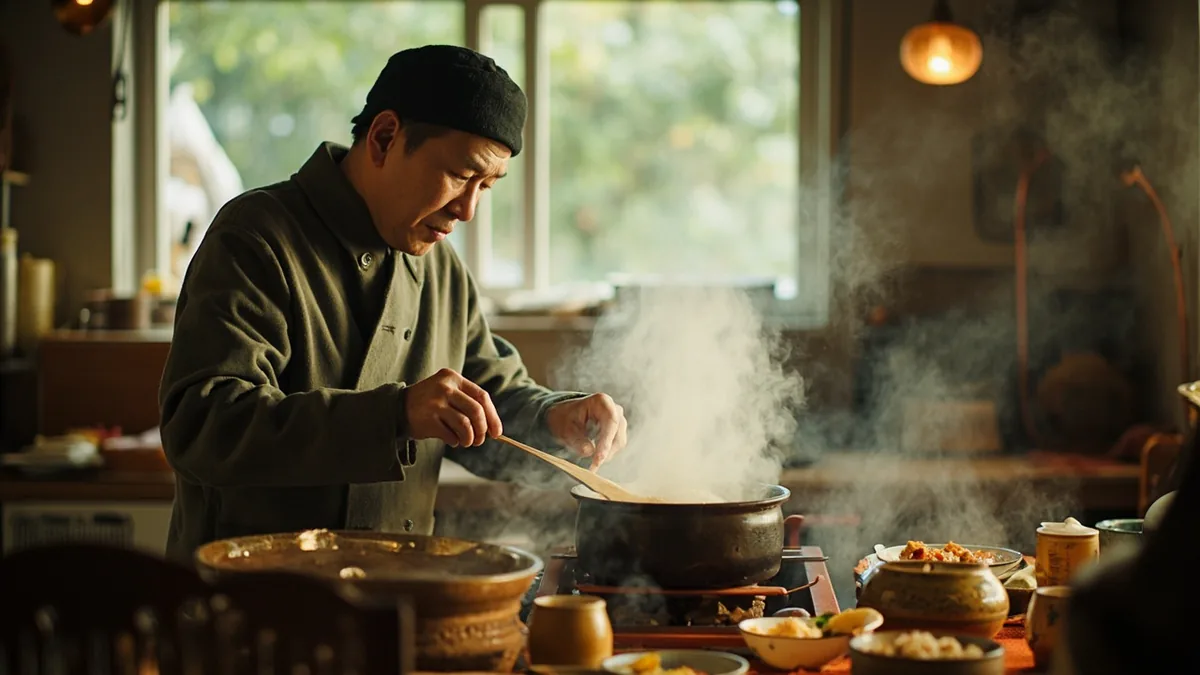
Laba Festival
腊八节Làbājié
The Laba Festival is when families eat Laba porridge (腊八粥), a porridge of grains, beans, nuts and dried fruit — usually sweet, though some regions make savoury versions.
Next:
Read moreChinese New Year (Spring Festival)
春节Chūnjié
The biggest festival of the year: family reunion dinners, red envelopes and fireworks.
Next:
Read more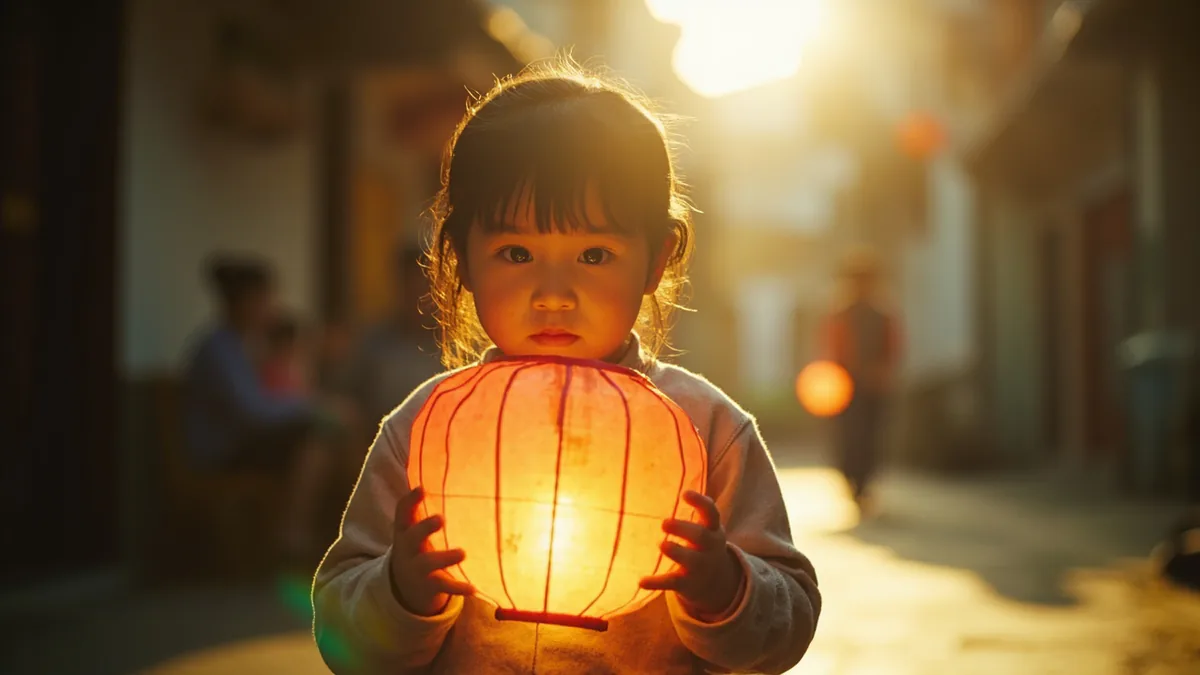
Lantern Festival
元宵节Yuánxiāojié
The Lantern Festival closes the Chinese New Year celebrations on the 15th day of the first lunar month, traditionally the first full-moon night of the year.
Next:
Read moreQingming Festival (Tomb-Sweeping Day)
清明节Qīngmíngjié
Qingming is the day families visit their ancestors' graves to clean them and leave offerings.
Next:
Read more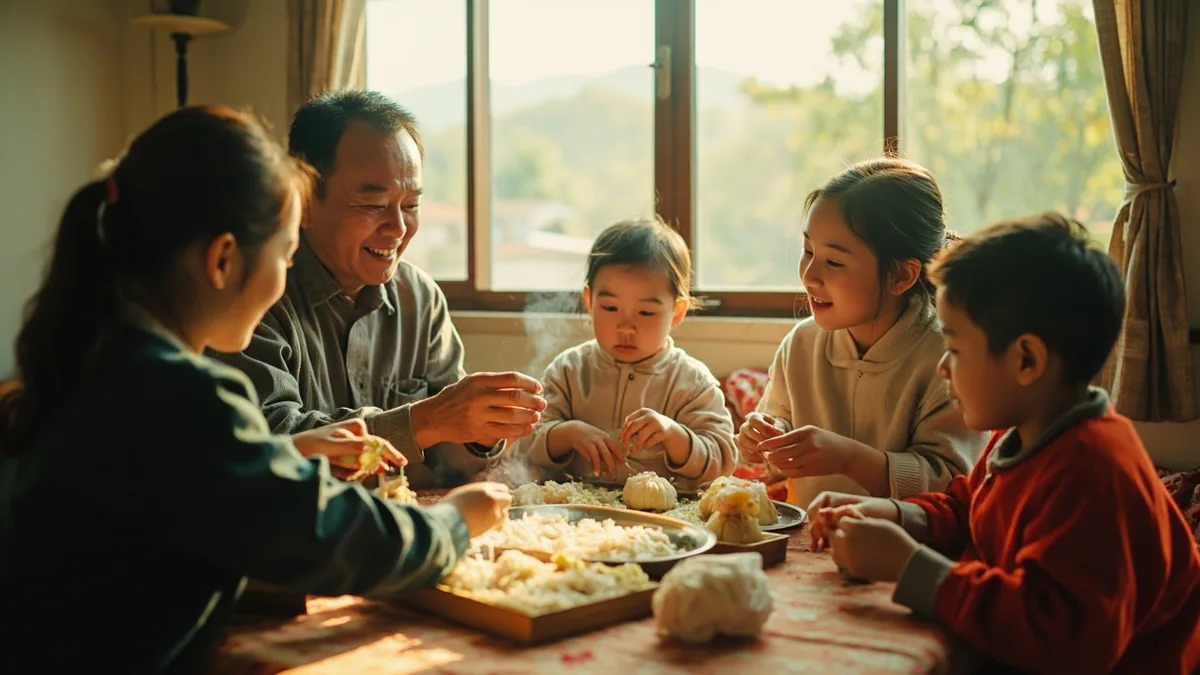
Dragon Boat Festival
端午节Duānwǔjié
The Dragon Boat Festival is famous for dragon boat races and zongzi — sticky rice wrapped in bamboo leaves.
Next:
Read moreQixi Festival (Chinese Valentine's Day)
七夕节Qīxījié
Qixi is often called Chinese Valentine's Day.
Next:
Read moreHungry Ghost Festival
中元节Zhōngyuánjié
The seventh lunar month is "Ghost Month", when the gates of the underworld are said to open and spirits wander among the living.
Next:
Read more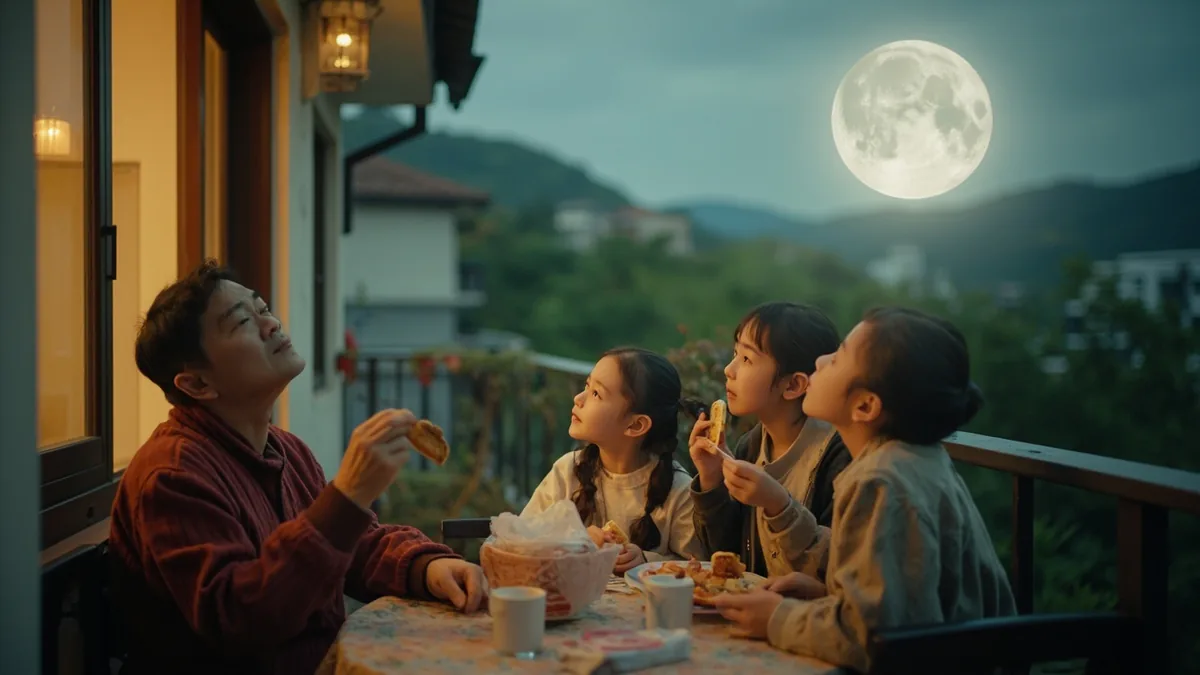
Mid-Autumn Festival (Moon Festival)
中秋节Zhōngqiūjié
The Mid-Autumn Festival is a family reunion under what is traditionally called the brightest full moon of the year.
Next:
Read more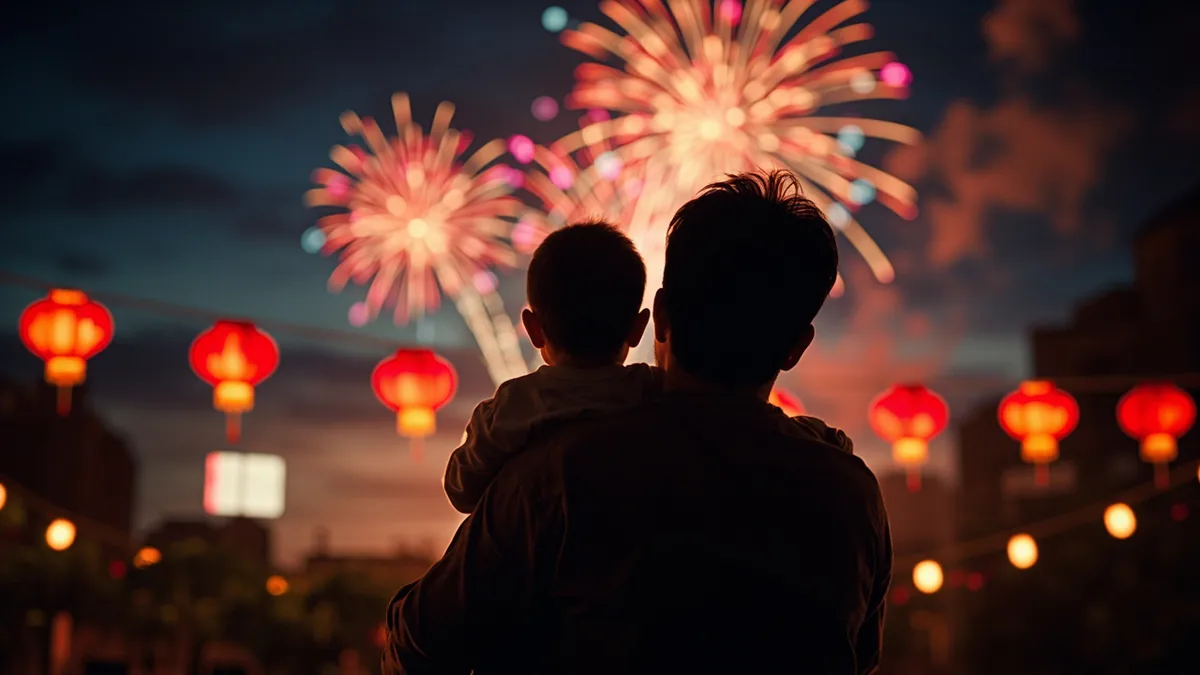
National Day & Golden Week
国庆节Guóqìngjié
National Day on 1 October starts Golden Week (黄金周), a seven-day national holiday in mainland China.
Next:
Read more
Double Ninth Festival
重阳节Chóngyángjié
On the Double Ninth Festival people climb hills, enjoy chrysanthemums and honour older people.
Next:
Read more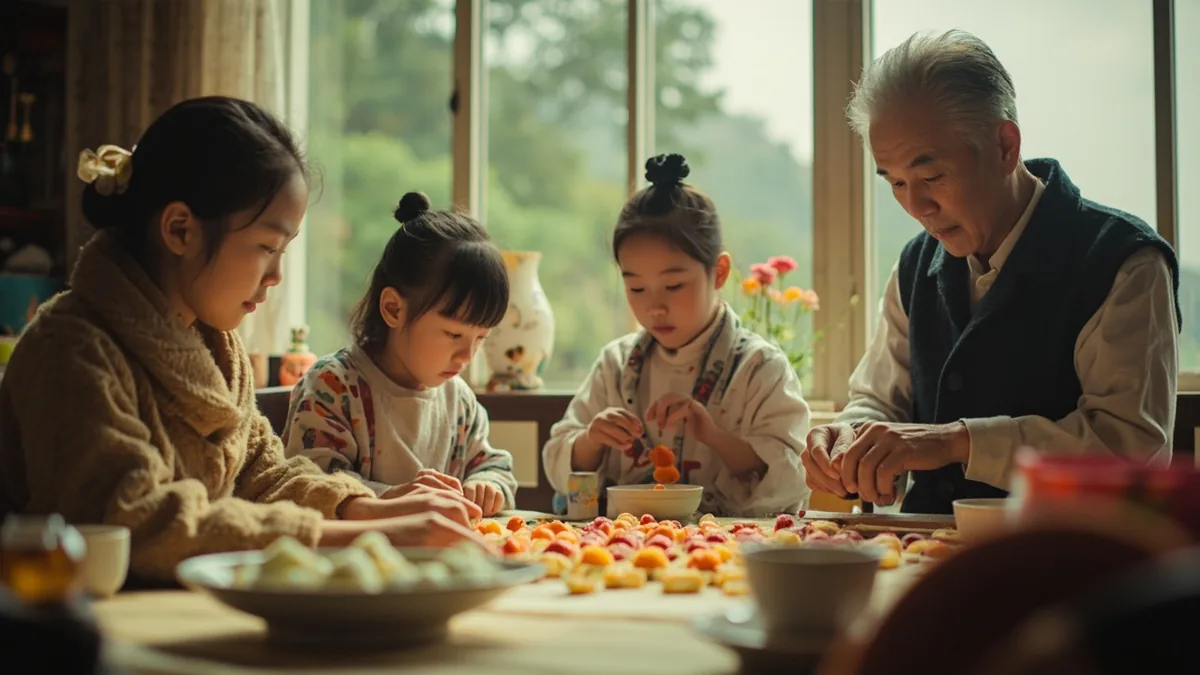
Winter Solstice Festival
冬至Dōngzhì
The Winter Solstice, the shortest day of the year, is a family festival.
Next:
Read moreFrequently asked questions
Why do Chinese festival dates change every year?
Most traditional festivals follow the Chinese lunar calendar, which is tied to the moon. Two of them — Qingming and the Winter Solstice — follow the sun, so they stay on almost the same date.
Which Chinese festivals are public holidays in China?
In mainland China: New Year's Day, Chinese New Year, Qingming, Labour Day (1 May), the Dragon Boat Festival, the Mid-Autumn Festival and National Day.
What is the biggest Chinese festival?
Chinese New Year (the Spring Festival). The Mid-Autumn Festival is the second big family festival.