拜年
bàinián
Pay a new year visit
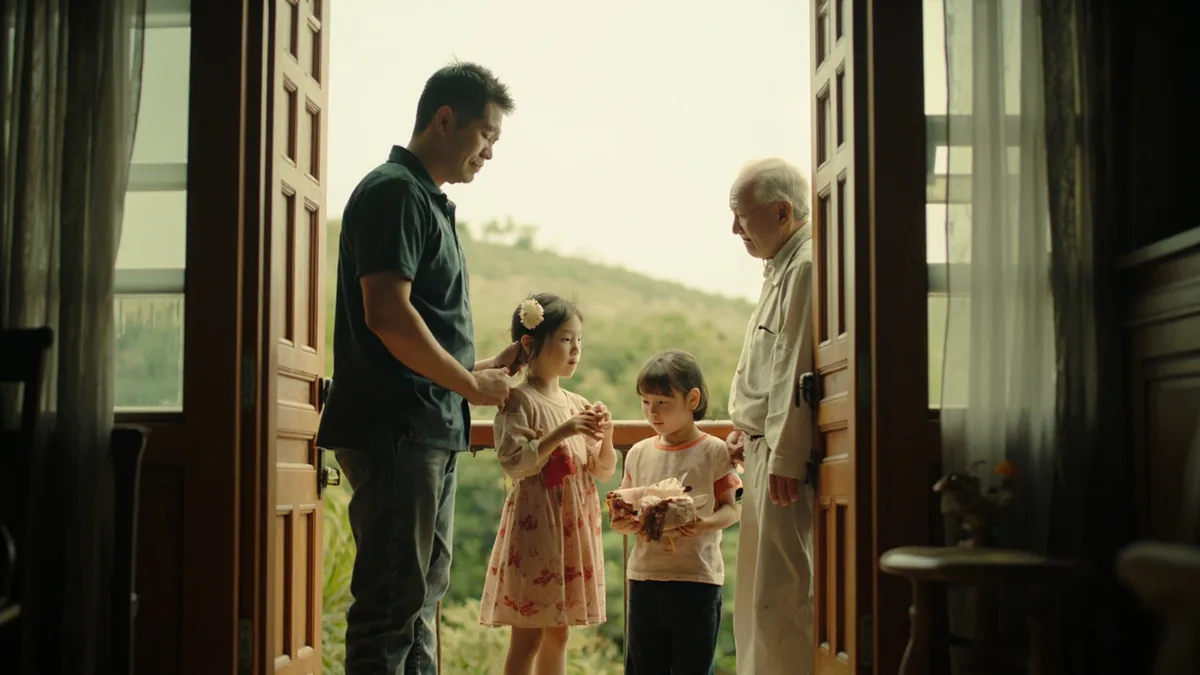
拜年 (bàinián) means to visit relatives and friends, or contact them by phone or message, to extend New Year wishes. This custom is an important part of Chinese New Year celebrations.
What does 拜年 (bàinián) mean?
拜年 (bàinián) means “pay a New Year visit” in English. Word for word, it breaks down as “pay year visit.”
When to use it
Neutral and customary. It's used when extending New Year greetings to family and friends, whether in person, by phone, or through messages. A common greeting is 给你拜年了!, which means "Happy New Year to you!" or "I'm paying you a New Year visit!" When greeting someone before the actual New Year arrives, speakers often say 拜个早年, meaning "Happy early New Year!"
How to pronounce it
Sounds like “bye-NYEN.” The first syllable is a falling tone, and the second is a rising tone.
Other ways to say it
- 给你拜年了gěi nǐ bàinián leHappy New Year to you! (literally: I'm paying you a New Year visit!)
- 拜个早年bài ge zǎoniánHappy early New Year! (greeting before the New Year arrives)
- 过年好guònián hǎoHappy New Year! (a general greeting)
Examples
春节期间,我们要去爷爷奶奶家拜年。
Chūnjié qījiān, wǒmen yào qù yéye nǎinai jiā bàinián.
During the Spring Festival, we are going to our grandparents' house to pay a New Year visit.
妈妈打电话给亲戚们拜年。
Māma dǎ diànhuà gěi qīnqimen bàinián.
Mom called the relatives to give New Year wishes.
我提前给您拜个早年!
Wǒ tíqián gěi nín bài ge zǎonián!
I wish you a Happy New Year in advance!
Pro tip: 拜年 is not limited to physical visits; it also includes sending New Year wishes via phone calls or messages. Use 拜个早年 specifically when greeting someone before the New Year has officially arrived.
Related phrases
春联 · Spring couplets福 · Blessing (the fu character)表亲 / 堂亲 · Cousin
Want to speak Chinese for real?
Start a free lesson with a native teacher →
Start a free lesson with a native teacher →