春联
chūnlián
Spring couplets · trad. 春聯
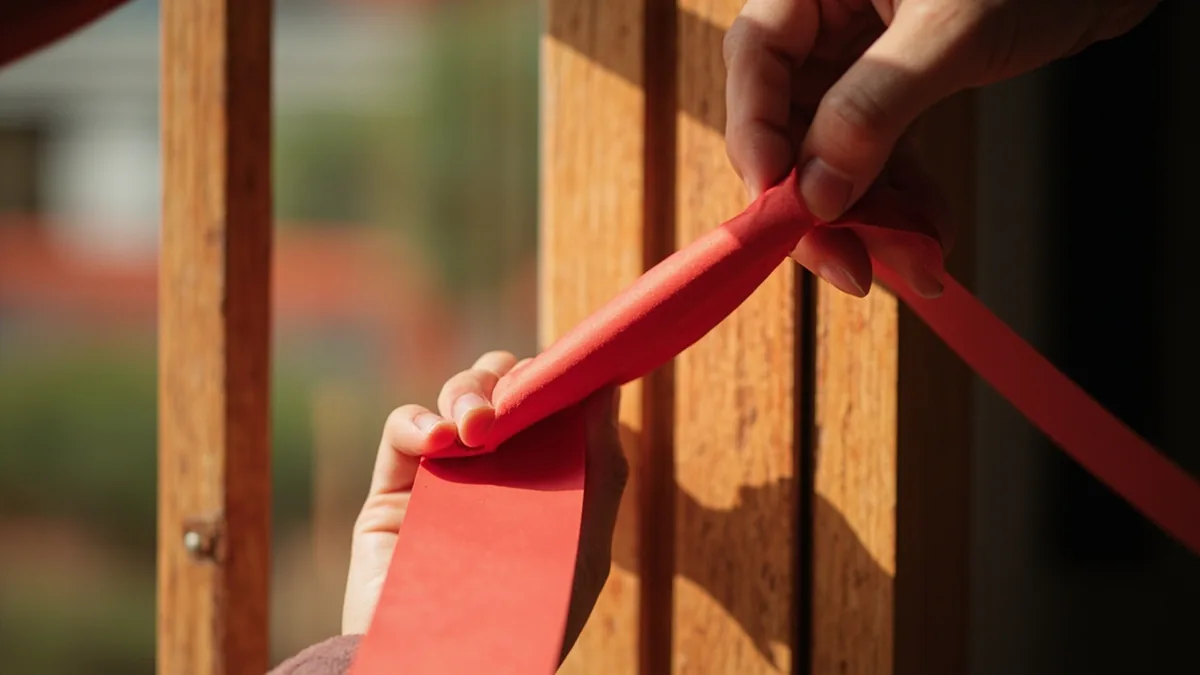
春联 (chūnlián) are pairs of red paper strips with matching lines of good wishes, traditionally pasted on both sides of the front door before the New Year, usually with a horizontal banner above. They are an important part of Chinese New Year decorations.
What does 春联 (chūnlián) mean?
春联 (chūnlián) means “spring couplets” in English. Word for word, it breaks down as “spring couplet.”
When to use it
Neutral and culturally significant. 春联 are a traditional decoration for Chinese New Year, expressing hopes for good fortune in the coming year.
How to pronounce it
Sounds like “chwun-LYEN.” The first syllable has a high-flat tone, and the second is a rising tone.
Other ways to say it
- 贴春联tiē chūnliánto put up spring couplets
- 写春联xiě chūnliánto write spring couplets
- 对联duìliáncouplet (general term)
Examples
春节前,家家户户都会贴春联。
Chūnjié qián, jiājiā hùhù dōu huì tiē chūnlián.
Before the Spring Festival, every household puts up spring couplets.
我喜欢看春联上的吉祥话。
Wǒ xǐhuan kàn chūnlián shàng de jíxiánghuà.
I like reading the auspicious phrases on the spring couplets.
这些春联写得真好,很有节日气氛。
Zhèxiē chūnlián xiě de zhēn hǎo, hěn yǒu jiérì qìfēn.
These spring couplets are really well written and have a strong festive atmosphere.
Pro tip: The phrases on spring couplets are always auspicious, expressing wishes for prosperity, happiness, and good luck in the new year.
Related phrases
福 · Blessing (the fu character)放鞭炮 · Set off firecrackers请帮忙 · Please help
Want to speak Chinese for real?
Start a free lesson with a native teacher →
Start a free lesson with a native teacher →