冬至
Dōngzhì
Winter solstice
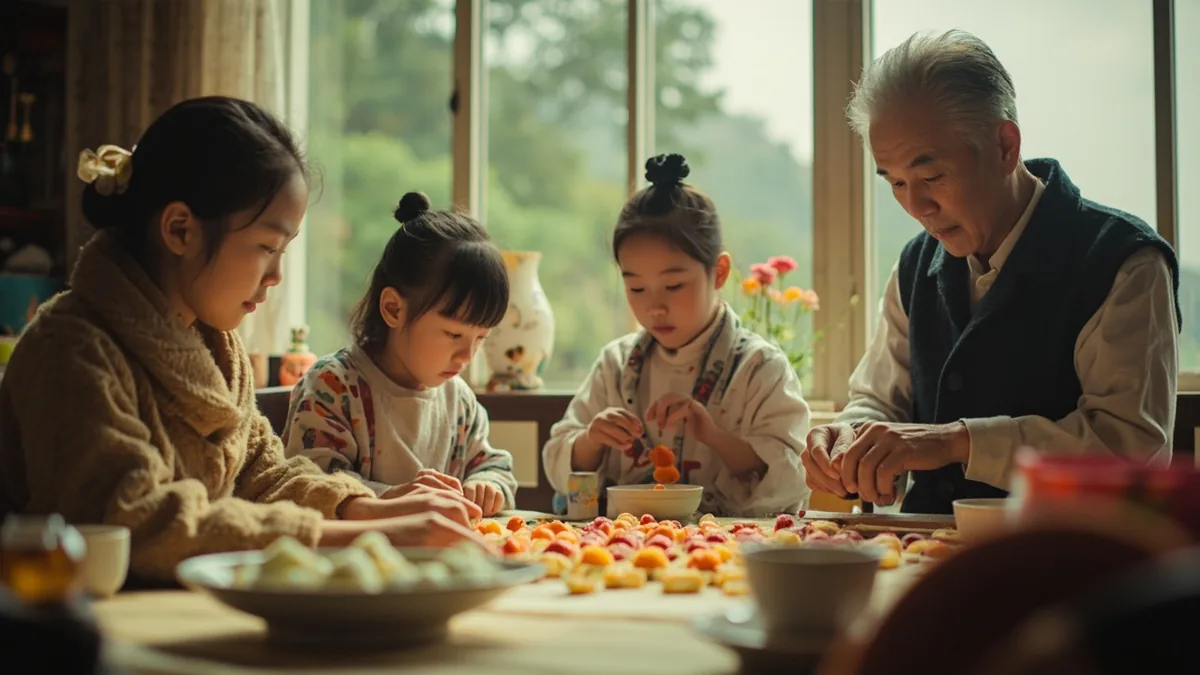
冬至 (Dōngzhì) is the Winter Solstice, one of the 24 solar terms in the traditional Chinese calendar. It marks the shortest day and longest night of the year and is an important family festival in Chinese culture.
What does 冬至 (Dōngzhì) mean?
冬至 (Dōngzhì) means “winter solstice” in English. Word for word, it breaks down as “winter extreme.”
When to use it
Neutral. 冬至 is a significant traditional festival, often celebrated with family gatherings and special foods. In northern China, people traditionally eat dumplings (饺子), while in the south, sweet rice balls (汤圆) are common.
How to pronounce it
Sounds like “DONG-jrr.” The first syllable has a high, flat tone, and the second is a falling tone.
Other ways to say it
- 冬至大如年dōngzhì dà rú niánWinter Solstice is as important as New Year (an old saying)
- 吃饺子chī jiǎozieat dumplings (a common Winter Solstice custom in northern China)
- 吃汤圆chī tāngyuáneat tangyuan (a common Winter Solstice custom in southern China)
Examples
冬至是全家团圆的日子。
dōngzhì shì quánjiā tuányuán de rìzi.
Winter Solstice is a day for family reunion.
冬至那天,北方人喜欢吃饺子。
dōngzhì nà tiān, běifāngrén xǐhuan chī jiǎozi.
On Winter Solstice, northerners like to eat dumplings.
祝你冬至快乐!
zhù nǐ dōngzhì kuàilè!
Wish you a happy Winter Solstice!
Pro tip: 冬至 is considered a very important festival, sometimes even compared to Chinese New Year, as reflected in the saying “冬至大如年.” It's a time for family and specific traditional foods.
Related phrases
冬至快乐 · Happy winter solstice汤圆 · Sweet rice balls (tang yuan)饺子 · Dumpling
Want to speak Chinese for real?
Start a free lesson with a native teacher →
Start a free lesson with a native teacher →