春节
Chūnjié
Spring festival (chinese new year) · trad. 春節
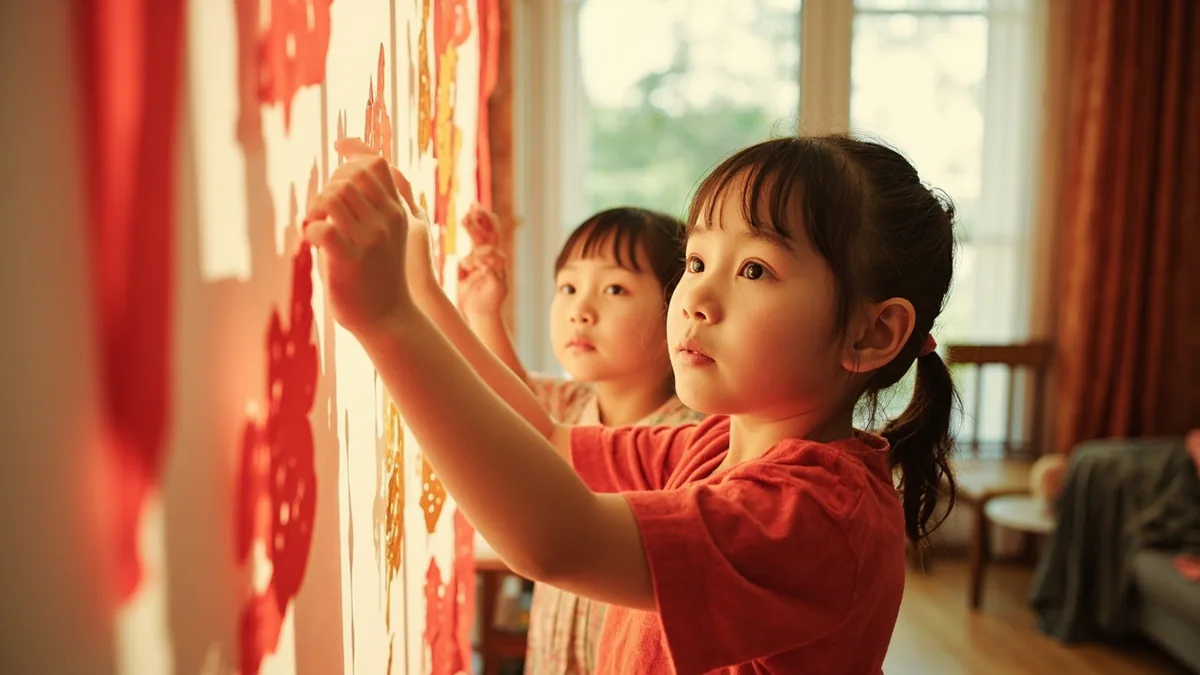
春节 (Chūnjié) is the Chinese name for Chinese New Year, also known as the Lunar New Year or Spring Festival. It is the most important traditional holiday in China, marked by family reunions, special foods, and various cultural activities.
What does 春节 (Chūnjié) mean?
春节 (Chūnjié) means “spring festival (Chinese New Year)” in English. Word for word, it breaks down as “Spring Festival.”
When to use it
Neutral and widely used. It refers specifically to the Chinese New Year holiday. To talk about celebrating the New Year, you can use 过春节 (guò Chūnjié) or the more general 过年 (guònián).
How to pronounce it
Sounds like “chwun-JEE-eh.” The first syllable is a high, flat tone, and the second is a rising tone.
Other ways to say it
- 过春节guò Chūnjiéto celebrate the Spring Festival
- 过年guòniánto celebrate the New Year
- 新年xīnniánNew Year (general term)
Examples
春节是中国最重要的节日。
Chūnjié shì Zhōngguó zuì zhòngyào de jiérì.
The Spring Festival is China's most important holiday.
我们每年都回老家过春节。
Wǒmen měi nián dōu huí lǎojiā guò Chūnjié.
We go back to our hometown to celebrate the Spring Festival every year.
春节快到了,大家都在准备年货。
Chūnjié kuài dào le, dàjiā dōu zài zhǔnbèi niánhuò.
The Spring Festival is almost here, and everyone is shopping for New Year goods.
Pro tip: While 春节 specifically means 'Spring Festival' or 'Chinese New Year', the term 过年 (guònián) is a common, more general way to say 'celebrate the New Year', which can apply to both the Lunar New Year and the Gregorian New Year.
Related phrases
财神 · God of wealth拜年 · Pay a new year visit元宵节 · Lantern festival
Want to speak Chinese for real?
Start a free lesson with a native teacher →
Start a free lesson with a native teacher →