节哀顺变
jié'āi shùnbiàn
My condolences · trad. 節哀順變
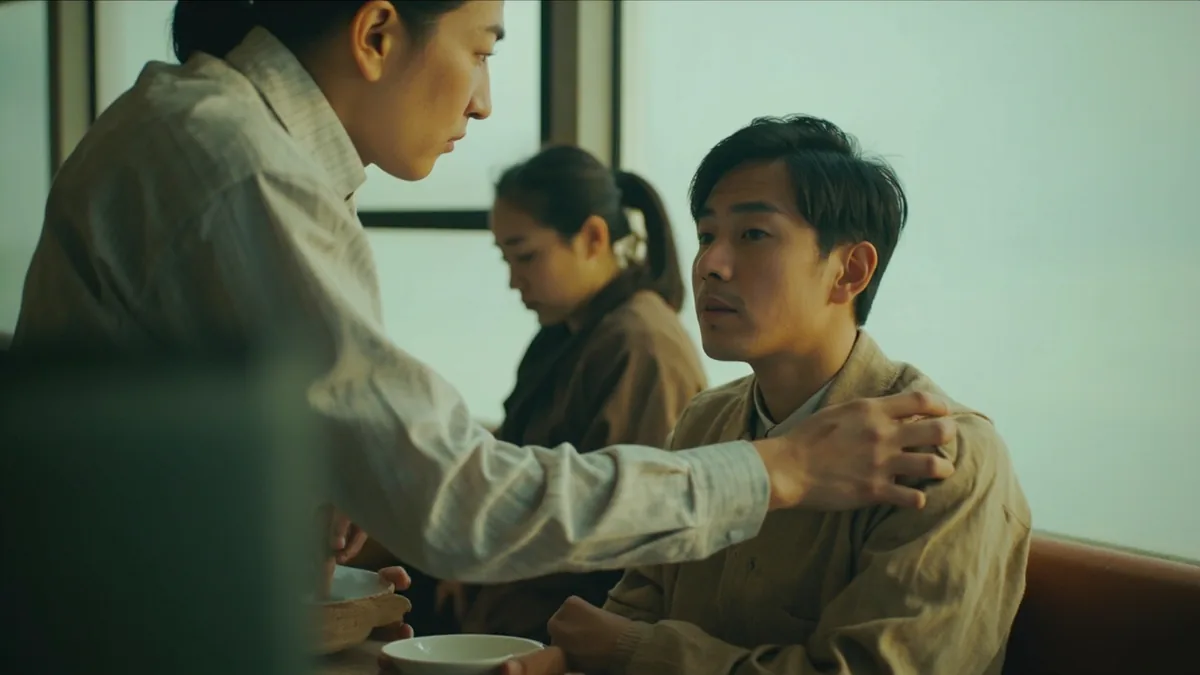
节哀顺变 (jié'āi shùnbiàn) is an idiom used to express condolences and comfort someone who has experienced a loss or misfortune, encouraging them to control their grief and adapt to the new circumstances.
What does 节哀顺变 (jié'āi shùnbiàn) mean?
节哀顺变 (jié'āi shùnbiàn) means “my condolences” in English. Word for word, it breaks down as “restrain grief, adapt to change.”
When to use it
Formal and empathetic. It is typically used when offering sympathy to someone grieving a death or a significant loss. A simpler, more direct way to express sympathy might be 我很难过 (wǒ hěn nánguò), “I'm very sad,” or 替你感到难过 (tì nǐ gǎndào nánguò), “I feel sad for you.”
How to pronounce it
Sounds like “jyeh-EYE shwun-BYEN.” The first syllable of 节 is a rising tone, 哀 is a high-level tone, 顺 is a falling tone, and 变 is a falling tone.
Other ways to say it
- 慰问wèiwènexpress sympathy/condolences
- 默哀mò'āiobserve a moment of silence
- 请多保重qǐng duō bǎozhòngplease take care of yourself
Examples
听到这个消息,我很难过,请你节哀顺变。
tīngdào zhège xiāoxi, wǒ hěn nánguò, qǐng nǐ jié'āi shùnbiàn.
Hearing this news, I'm very sad, please accept my condolences and take care.
失去亲人是件痛苦的事,希望你节哀顺变。
shīqù qīnrén shì jiàn tòngkǔ de shì, xīwàng nǐ jié'āi shùnbiàn.
Losing a loved one is painful, I hope you can restrain your grief and adapt.
请节哀顺变,我们会一直支持你。
qǐng jié'āi shùnbiàn, wǒmen huì yīzhí zhīchí nǐ.
Please accept our condolences, we will always support you.
Pro tip: 节哀顺变 is a formal and somewhat traditional expression, best reserved for serious situations of loss, such as a death in the family. It implies both sympathy and a gentle encouragement to move forward.
Related phrases
早日康复 · Get well soon一路走好 · Rest in peace祝你身体健康 · Wishing you good health
Want to speak Chinese for real?
Start a free lesson with a native teacher →
Start a free lesson with a native teacher →