排好队
pái hǎo duì
Line up nicely · trad. 排好隊
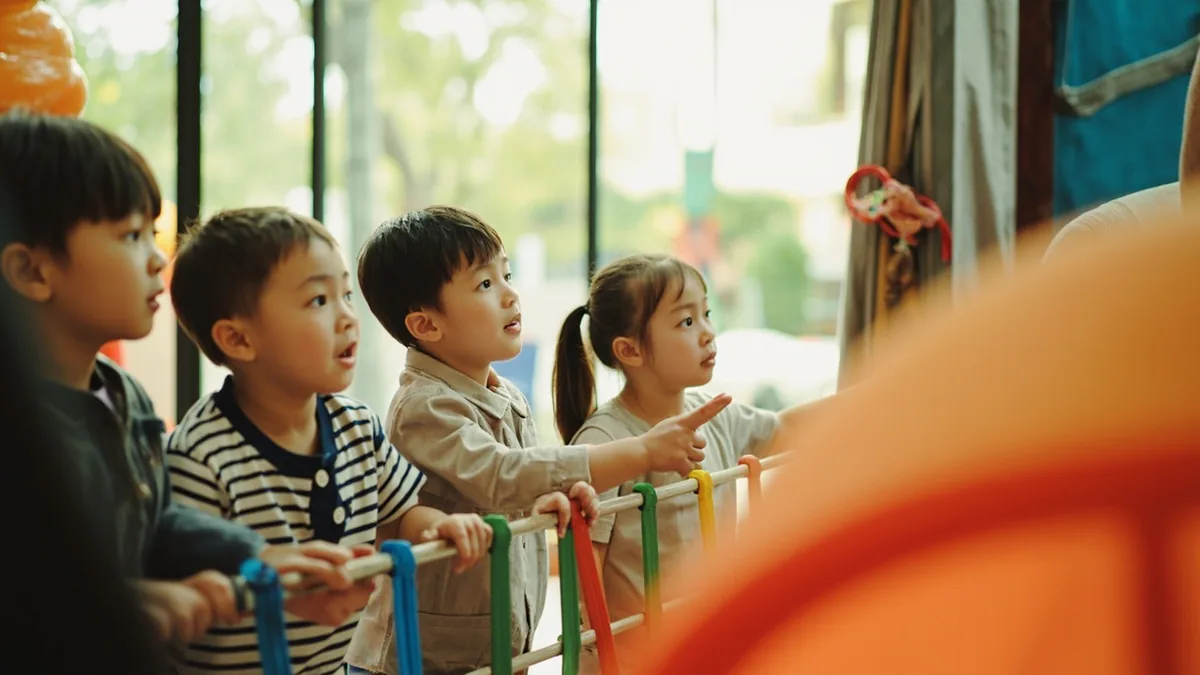
排好队 (pái hǎo duì) means to form an orderly or proper line. It is a common instruction given to children, especially in settings like kindergarten, to ensure they line up neatly.
What does 排好队 (pái hǎo duì) mean?
排好队 (pái hǎo duì) means “line up nicely” in English. Word for word, it breaks down as “line up well.”
When to use it
Generally used in contexts requiring order, especially with children. It's a polite but firm instruction for proper behavior. For a simple 'line up,' use 排队 (pái duì). To ask if someone is in line, you can say 你在排队吗?(nǐ zài pái duì ma?).
How to pronounce it
Sounds like “pye-HOW-dway.” The first syllable rises, the second dips, and the third falls sharply.
Other ways to say it
- 排队pái duìline up (general)
- 请排队qǐng pái duìplease line up
- 排整齐pái zhěngqístand nicely/properly
Examples
小朋友们,请排好队!
xiǎopéngyǒumen, qǐng pái hǎo duì!
Children, please line up nicely!
大家排好队,准备上车。
dàjiā pái hǎo duì, zhǔnbèi shàng chē.
Everyone line up nicely, prepare to get on the bus.
请在这里排队。
qǐng zài zhèlǐ pái duì.
Please line up here.
Pro tip: The '好' in 排好队 emphasizes doing something well or properly, like forming a neat and orderly line, not just any line.
Related phrases
说对不起 · Say you're sorry要分享哦 · Remember to share收拾玩具 · Put away your toys
Want to speak Chinese for real?
Start a free lesson with a native teacher →
Start a free lesson with a native teacher →