晚安
wǎn'ān
Good night
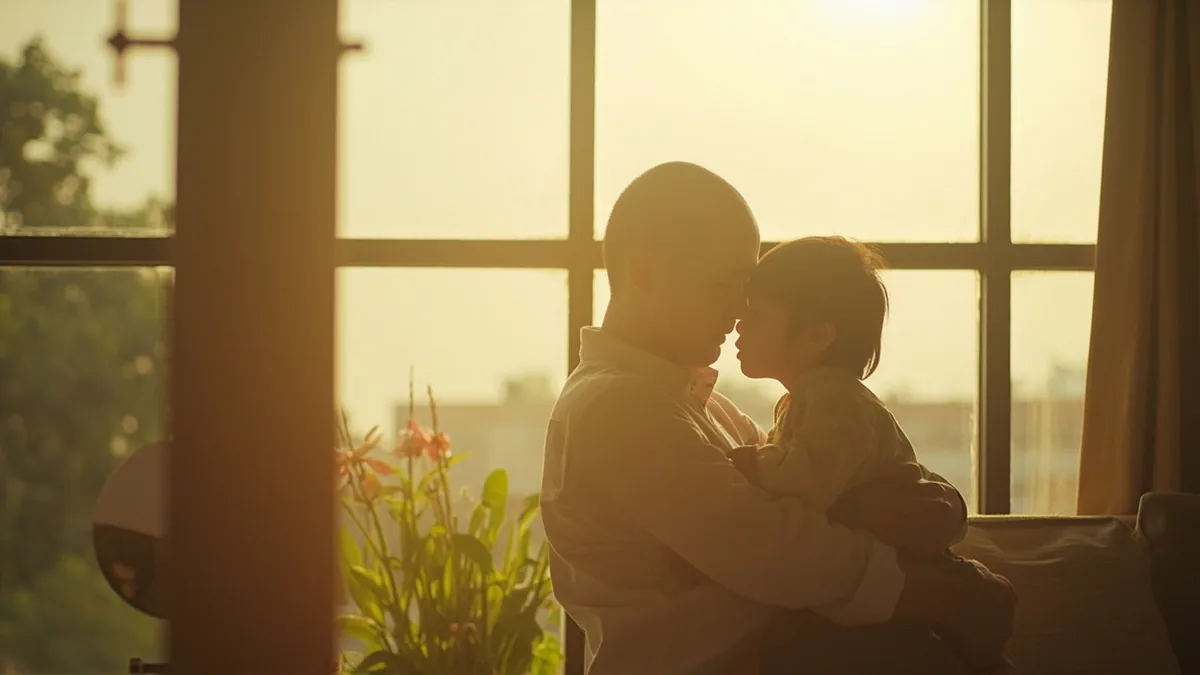
晚安 (wǎn ān) is the standard and most common way to say "good night" in Mandarin Chinese. It's used when parting ways with someone in the evening, or when someone is going to bed.
What does 晚安 (wǎn'ān) mean?
晚安 (wǎn'ān) means “good night” in English. Word for word, it breaks down as “evening peace.”
When to use it
Neutral and polite. It's appropriate for most situations. For a warmer or more caring tone, especially to someone going to sleep, you might say 早点休息 (zǎo diǎn xiūxi, "get some rest early") or 祝你睡个好觉 (zhù nǐ shuì gè hǎo jiào, "wish you a good sleep"). When someone says 晚安 to you, you can simply reply 晚安.
How to pronounce it
Sounds like “wahn-AHN.” 晚 dips (third tone), and 安 is high and level (first tone). The apostrophe just keeps the two syllables apart.
Other ways to say it
- 早点休息zǎodiǎn xiūxiget some rest early (caring)
- 祝你睡个好觉zhù nǐ shuì ge hǎo jiàowish you a good sleep
- 晚安啦wǎn'ān lagood night (softer, casual)
Examples
妈妈,晚安!
māma, wǎn'ān!
Mom, good night!
我先走了,晚安。
wǒ xiān zǒu le, wǎn'ān.
I'm leaving now, good night.
晚安,明天见!
wǎn'ān, míngtiān jiàn!
Good night, see you tomorrow!
Watch it in 20 seconds
A short animated clip with Xiao Jin, our monkey mascot — the phrase, an example, and native audio.
Pro tip: Unlike "good morning" or "good afternoon," 晚安 is primarily a farewell or a wish for a peaceful night, used specifically when someone is going to bed or when you are parting ways for the evening, not generally as a greeting.
Related phrases
晚上好 · Good evening早上好 · Good morning下午好 · Good afternoon
Want to speak Chinese for real?
Start a free lesson with a native teacher →
Start a free lesson with a native teacher →