下午好
xiàwǔ hǎo
Good afternoon
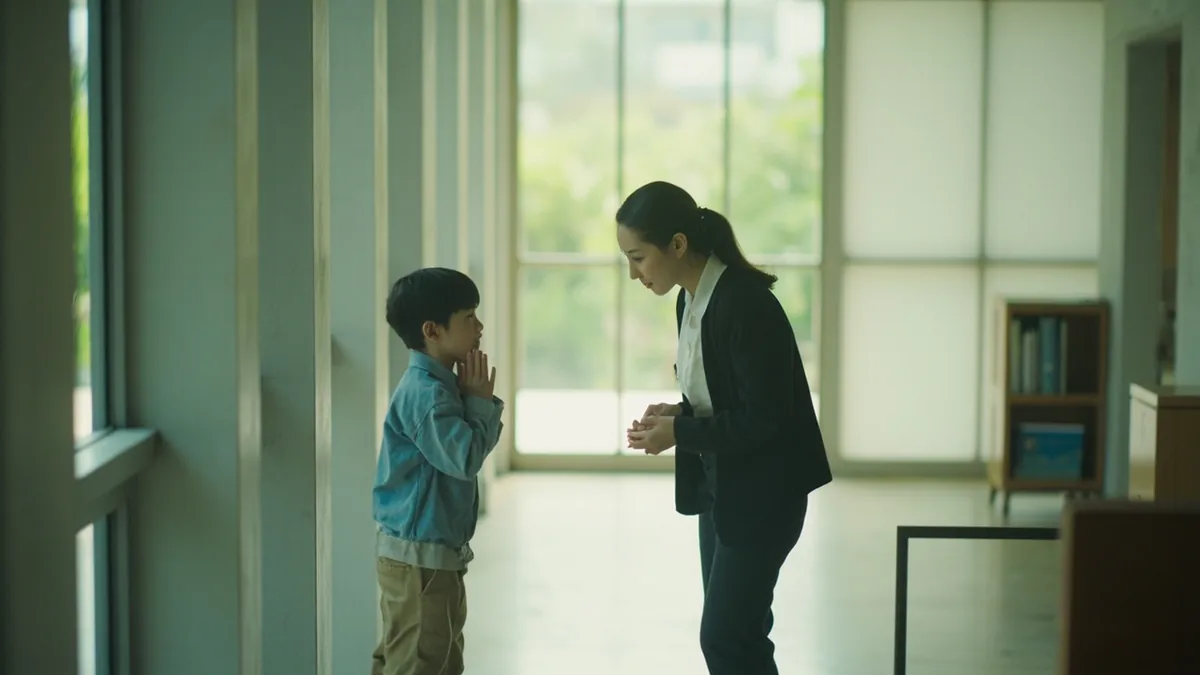
下午好 (xiàwǔ hǎo) is a polite and common way to say 'good afternoon' in Mandarin Chinese. It's used from around noon until early evening, similar to its English counterpart.
What does 下午好 (xiàwǔ hǎo) mean?
下午好 (xiàwǔ hǎo) means “good afternoon” in English. Word for word, it breaks down as “afternoon good.”
When to use it
Neutral and polite. It's appropriate in most everyday situations, from greeting colleagues to shopkeepers. For a more formal greeting, especially to elders or superiors, you could say 您下午好 (nín xiàwǔ hǎo), though often just 您好 (nín hǎo) is used. In very casual settings, people might just say 你好 (nǐ hǎo) or even just 嗨 (hāi) regardless of the time.
How to pronounce it
Sounds like “SHYAH-woo HOW.” The 午 (wǔ) and 好 (hǎo) are both third tones, so when they appear together, the first one (午) changes to a rising tone, making it sound like “woo-HOW.” So the full phrase is pronounced 'SHYAH-wú-HOW.'
Other ways to say it
- 您下午好nín xiàwǔ hǎogood afternoon (polite / formal)
- 下午xiàwǔafternoon! (casual, as a greeting)
- 你好nǐ hǎohello (general greeting, usable anytime)
Examples
下午好,李老师!
xiàwǔ hǎo, Lǐ lǎoshī!
Good afternoon, Teacher Li!
大家下午好!
dàjiā xiàwǔ hǎo!
Good afternoon, everyone!
经理,您下午好!
jīngli, nín xiàwǔ hǎo!
Good afternoon, manager! (polite)
Watch it in 20 seconds
A short animated clip with Xiao Jin, our monkey mascot — the phrase, an example, and native audio.
Pro tip: Tone change: When two third tones appear consecutively, the first one changes to a rising tone (second tone). So, 午好 (wǔ hǎo) becomes 'wú hǎo.' Remember this for natural pronunciation.
Related phrases
晚上好 · Good evening早上好 · Good morning晚安 · Good night你好 · Hello
Want to speak Chinese for real?
Start a free lesson with a native teacher →
Start a free lesson with a native teacher →