渴不渴?
kě bu kě?
Are you thirsty
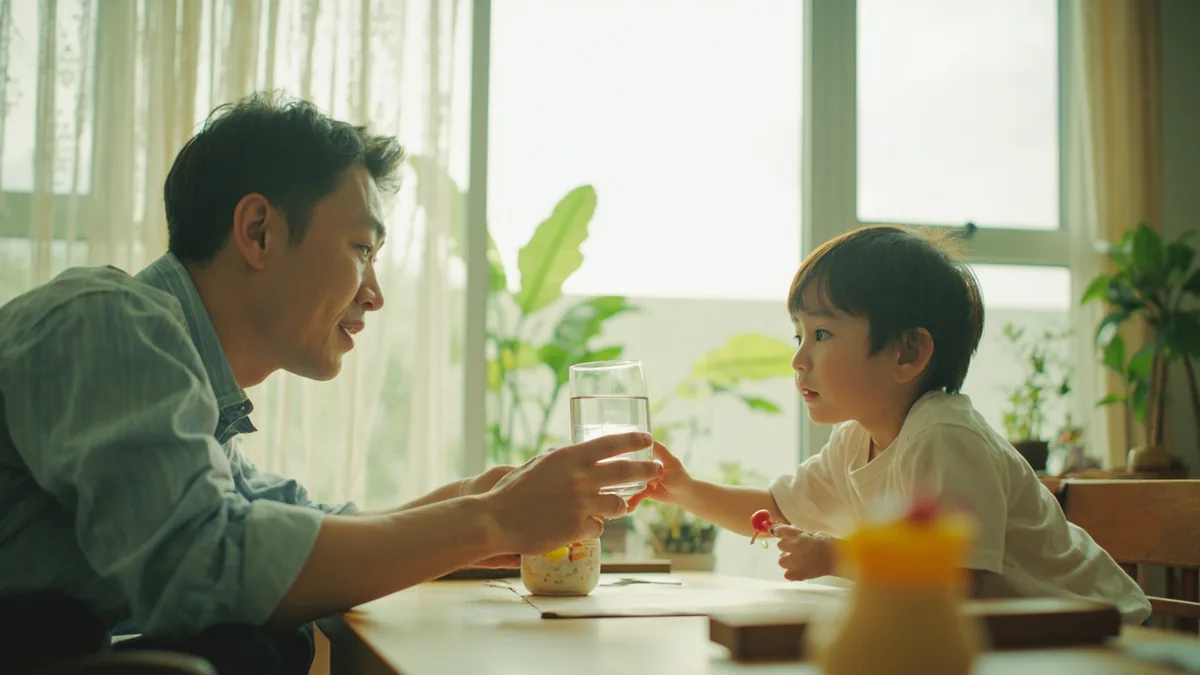
渴不渴? (kě bu kě) is a common and direct way to ask “Are you thirsty?” in Mandarin Chinese, often used when speaking to children or in casual settings.
What does 渴不渴? (kě bu kě?) mean?
渴不渴? (kě bu kě?) means “are you thirsty” in English. Word for word, it breaks down as “thirsty not thirsty?”
When to use it
Casual and direct. It's frequently used by parents or caregivers asking children. A common reply from a child would be just 渴 (kě) for “thirsty” or 不渴 (bù kě) for “not thirsty.”
How to pronounce it
Sounds like “kuh BUH kuh.” The 不 (bù) in the middle usually shifts to a neutral tone, making it sound lighter and quicker.
Other ways to say it
- 你渴了吗?nǐ kě le ma?Are you thirsty? (general)
- 想喝水吗?xiǎng hē shuǐ ma?Want to drink water?
- 要不要喝水?yào bu yào hē shuǐ?Do you want to drink water?
Examples
宝宝,你渴不渴?
bǎobao, nǐ kě bu kě?
Baby, are you thirsty?
渴不渴?我给你倒水。
kě bu kě? wǒ gěi nǐ dào shuǐ.
Are you thirsty? I'll pour you some water.
妈妈问我渴不渴。
māma wèn wǒ kě bu kě.
Mom asked me if I was thirsty.
Pro tip: This is an A不A question pattern, where the verb or adjective (A) is repeated with 不 (bù) in between to form a yes/no question. Kids often answer simply with 渴 or 不渴.
Related phrases
吃饭了! · Time to eat饿不饿? · Are you hungry再吃一口 · One more bite
Want to speak Chinese for real?
Start a free lesson with a native teacher →
Start a free lesson with a native teacher →