恋恋不舍
liàn liàn bù shě
Unwilling to part or leave · trad. 戀戀不捨
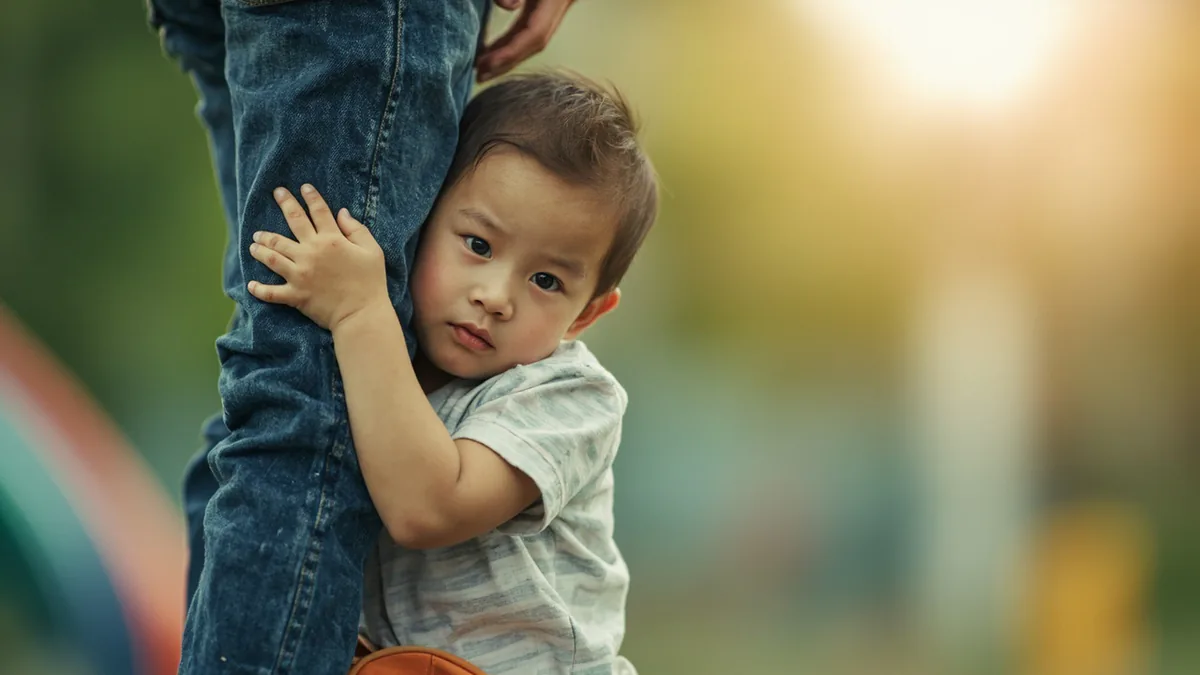
Describes a strong reluctance to part with someone or something, often due to deep affection or attachment. It conveys a sense of lingering fondness and an unwillingness to let go of a person, place, or experience.
What does 恋恋不舍 (liàn liàn bù shě) mean?
恋恋不舍 (liàn liàn bù shě) means "unwilling to part or leave" in English. Word for word, it breaks down as "longing, unwilling to part."
Character by character
- 恋 liàn long for, be reluctant to part
- 恋 liàn long for, be reluctant to part
- 不 bù not
- 舍 shě give up, part with
When to use it
Chinese speakers use this idiom when someone feels a deep emotional attachment and finds it difficult to leave a situation, person, or place. It often implies a sentimental attachment, making it suitable for describing tender farewells or a strong desire to prolong a pleasant experience.
Example
她恋恋不舍地离开了祖母的家。
Tā liàn liàn bù shě de líkāi le zǔmǔ de jiā.
She reluctantly left her grandmother's house.
Pro tip: The reduplication of 恋 (liàn) emphasizes the strong, lingering emotional attachment, making the reluctance to part feel profound and heartfelt.
Related idioms
力所能及 · Within one's capability理直气壮 · Justified confidence两全其美 · Win-win outcome
Want to speak Chinese for real?
Start a free lesson with a native teacher →
Start a free lesson with a native teacher →