筋疲力尽
jīn pí lì jìn
Physical exhaustion · trad. 筋疲力盡
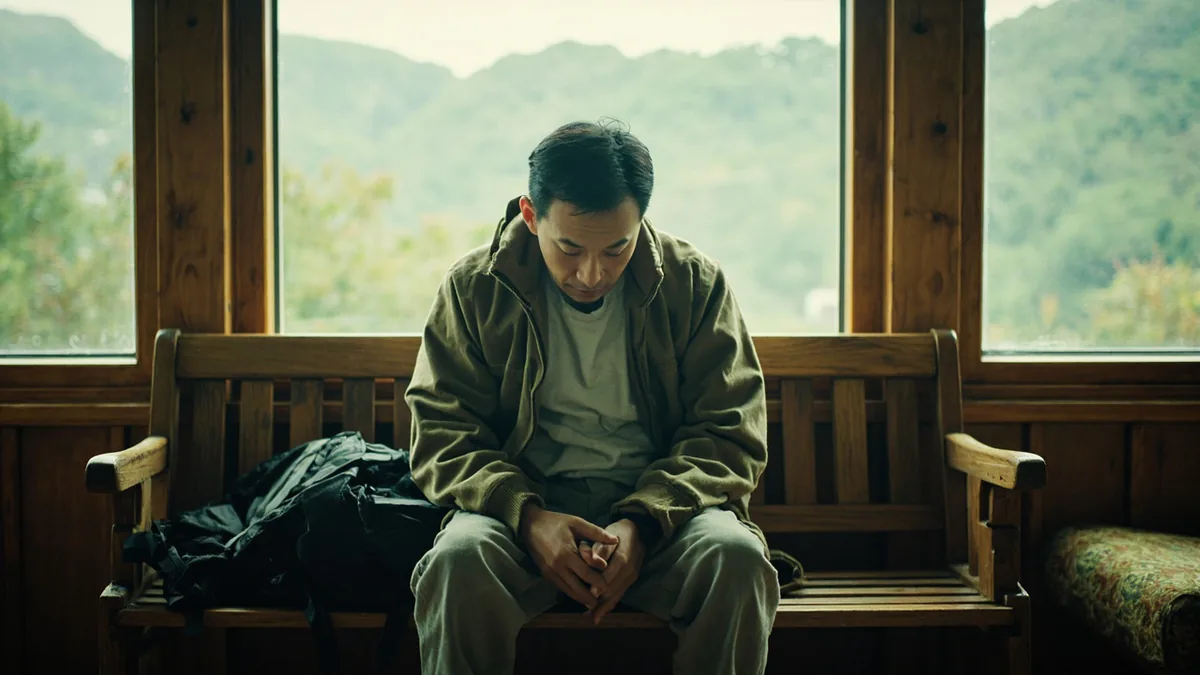
Describes a state of extreme physical and mental fatigue. Someone is completely worn out after strenuous activity or a long period of intense effort, having no energy left.
What does 筋疲力尽 (jīn pí lì jìn) mean?
筋疲力尽 (jīn pí lì jìn) means "physical exhaustion" in English. Word for word, it breaks down as "muscles tired, strength exhausted."
Character by character
- 筋 jīn muscle, tendon
- 疲 pí tired, weary
- 力 lì strength, power
- 尽 jìn exhausted, used up
When to use it
Chinese speakers use this when someone is utterly spent, often after physical exertion like sports or manual labor, but it can also apply to mental strain that manifests as physical weariness. It conveys a sense of complete depletion of energy.
Example
跑完了5000米,同学们个个筋疲力尽。
Pǎo wán le 5000 mǐ, tóngxuémen gègè jīn pí lì jìn.
After running 5,000 meters, all the students were completely exhausted.
Pro tip: Emphasizes the total depletion of energy, indicating a state beyond mere tiredness. It suggests that one's muscles and strength are entirely used up.
Related idioms
脚踏实地 · Practical and steady progress斤斤计较 · Fussing over trifles精打细算 · Meticulous planning and budgeting
Want to speak Chinese for real?
Start a free lesson with a native teacher →
Start a free lesson with a native teacher →