脚踏实地
jiǎo tà shí dì
Practical and steady progress · trad. 腳踏實地
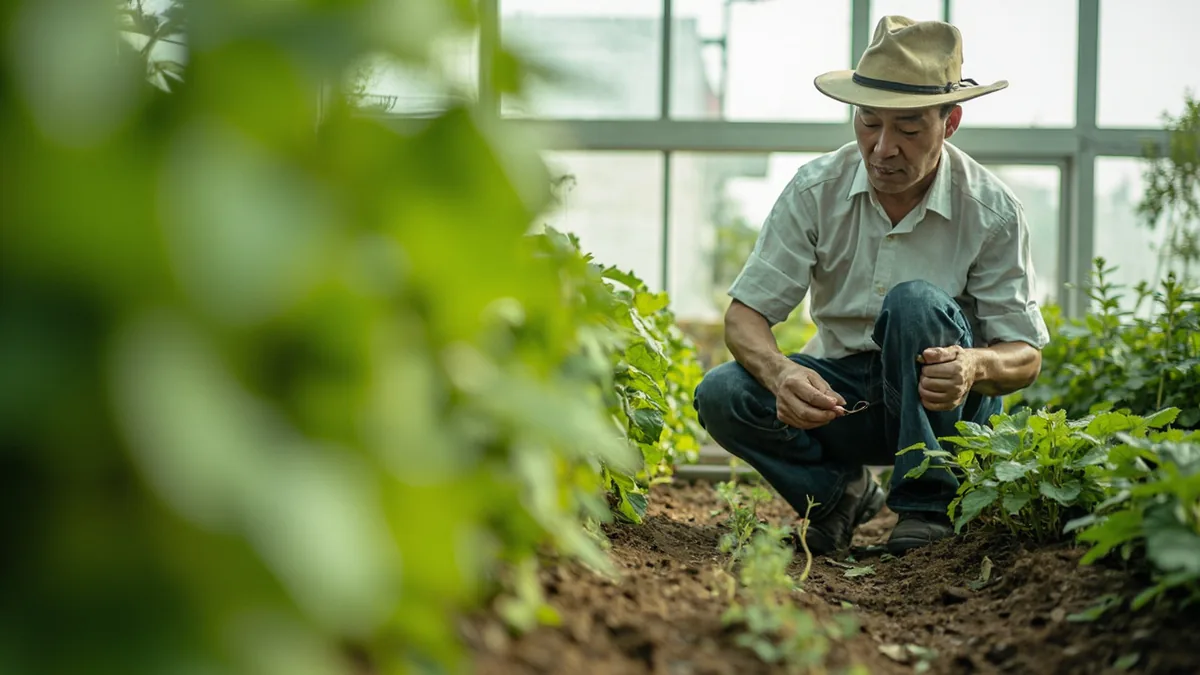
Approaching tasks with a practical and realistic mindset is key. It describes someone who works diligently and steadily, avoiding shortcuts or unrealistic ambitions.
What does 脚踏实地 (jiǎo tà shí dì) mean?
脚踏实地 (jiǎo tà shí dì) means "practical and steady progress" in English. Word for word, it breaks down as "feet stepping on solid ground."
Character by character
- 脚 jiǎo foot
- 踏 tà to step on
- 实 shí solid, real
- 地 dì ground
When to use it
Use this idiom to praise someone's work ethic or to encourage a pragmatic approach. It's often used in professional or educational contexts to emphasize the importance of foundational work and steady effort over flashy but unsustainable methods.
Example
我们要脚踏实地地工作。
Wǒmen yào jiǎo tà shí dì de gōngzuò.
We must work with our feet firmly on the ground.
Pro tip: The idiom emphasizes a process of steady, diligent effort rather than just the outcome, often implying a contrast with being overly ambitious or unrealistic.
Related idioms
将心比心 · Practicing empathy绞尽脑汁 · Intense mental effort斤斤计较 · Fussing over trifles
Want to speak Chinese for real?
Start a free lesson with a native teacher →
Start a free lesson with a native teacher →