
吉利数字 jílì shùzì - lucky numbers
In Chinese, a number is lucky or unlucky because of what it sounds like. 8 (bā) sounds like 发 (fā), "to get rich", so it is the luckiest number. 4 (sì) sounds like 死 (sǐ), "to die", so many buildings have no 4th floor. This play on sounds is called 谐音 (xiéyīn).
Below you can hear every digit and the word it sounds like, see the number codes people type online (520 means "I love you"), and learn the one-hand signs for 1 to 10. How seriously people take lucky numbers varies a lot: for some it is a strong belief, for many it is a habit or a joke.
谐音 xiéyīn - words that sound alike; a pun on sounds
Every digit from 0 to 9
Tap a card to hear the digit and the word it sounds like.
- 你 nǐ you
Usually neutral. In number codes 0 often stands for 你 (nǐ, "you"): the 0 in 520 is the "you" in "I love you".
Also: 幺 yāo - how 1 is read in phone numbers and room numbers
- 要 yào to want; will
Neutral on its own. In phone numbers and codes, 1 is read 幺 (yāo), which sounds like 要 (yào, "want, will"): 518 is 我要发 "I will get rich".
Also: 两 liǎng - "two of something"
- 好事成双 hǎoshì chéngshuāng good things come in pairs
Lucky, because good things come in pairs. Wedding gifts, red envelopes and decorations come in pairs, and the 囍 "double happiness" sign is two characters side by side. On its own, though, 二 can mean "a bit silly" in slang (有点二).
- 散 sàn to break up, to scatter
- 生 shēng life, birth
Mixed. In Mandarin 三 is close to 散 (sàn, "to break up"), so some people avoid it for couples. In Cantonese it sounds like 生 ("life"), so in southern China and Hong Kong it is often seen as lucky.
- 死 sǐ to die, death
The unlucky number. 四 (sì) and 死 (sǐ) differ only in tone, and in Cantonese they sound almost the same. Buildings skip the 4th floor, hospitals avoid room 4, and phone numbers and car plates with 4s are cheaper. Japanese and Korean speakers avoid 4 for the same reason.
- 我 wǒ I, me
- 无 wú without, nothing
Mixed. 5 sounds like 我 (wǒ, "I"), so it starts many love codes such as 520. It also sounds like 无 (wú, "nothing"). In tradition, five is a good number: there are five blessings (五福 wǔfú) and five elements.
- 溜 liū smooth; slick, skilful
- 六六大顺 liùliù dàshùn may everything go smoothly
Lucky: everything goes smoothly. 六六大顺 is a common wish at New Year and at weddings, and 666 is internet slang for "awesome".
- 妻 qī wife
- 气 qì anger
Mixed. 七夕 (Qīxī), the 7th day of the 7th lunar month, is Chinese Valentine's Day. But the whole 7th lunar month is the Ghost Month, when many people avoid weddings and moving house. 7 also sounds a little like 气 (qì, "anger").
- 发 fā to prosper, to get rich
- 发财 fācái to make a fortune
The luckiest number. 八 (bā) rhymes with 发 (fā), as in 恭喜发财 "may you prosper". The Beijing Olympics opened on 8 August 2008 at 8:08 pm, and phone numbers and car plates full of 8s sell for high prices.
- 久 jiǔ long-lasting
- 长长久久 chángcháng jiǔjiǔ forever and ever
Lucky: it sounds exactly like 久 (jiǔ, "long-lasting"), so it is a favourite for weddings and love (99 roses means "forever"). Nine was also the emperor's number, the highest single digit.
Number codes: 520, 1314, 666 and more
Because digits are quicker to type than characters, Chinese speakers use numbers as codes in chats, comments and gifts. Read the digits aloud and they sound like a phrase.
| Number | Read aloud | Sounds like | Meaning | When to use it |
|---|---|---|---|---|
| 520 | 五二零 wǔ èr líng | 我爱你 wǒ ài nǐ | I love you Full explanation | Between partners. 20 May (5/20) is an online Valentine's Day. Love |
| 521 | 五二一 wǔ èr yī | 我爱你 wǒ ài nǐ | I love you | Between partners; 21 May is a second "520 day". Love |
| 1314 | 一三一四 yī sān yī sì | 一生一世 yìshēng yíshì | for a lifetime Full explanation | Love messages, wedding gifts, red envelopes of ¥1,314. Love |
| 5201314 | 五二零一三一四 wǔ èr líng yī sān yī sì | 我爱你一生一世 wǒ ài nǐ yìshēng yíshì | I love you for a lifetime Full explanation | Love messages and couples' gifts. Love |
| 99 | 九九 jiǔ jiǔ | 久久 jiǔjiǔ | forever | Weddings, anniversaries, 99 roses. Love |
| 168 | 一六八 yī liù bā | 一路发 yí lù fā | prosper all the way | Prices, shop numbers, phone numbers. Luck |
| 518 | 五幺八 wǔ yāo bā | 我要发 wǒ yào fā | I'm going to get rich | Prices, phone numbers, opening days of shops. Luck |
| 888 | 八八八 bā bā bā | 发发发 fā fā fā | prosperity, prosperity, prosperity | Prices (¥888), red envelopes, phone numbers. Luck |
| 666 | 六六六 liù liù liù | 溜溜溜 liū liū liū | awesome, so skilful Full explanation | Comments on games, videos and live streams. Friendly. Slang |
| 88 | 八八 bā bā | 拜拜 bàibai | bye-bye | Ending a chat. Also "double prosperity" in prices. Slang |
| 886 | 八八六 bā bā liù | 拜拜了 bàibai le | bye, then | Ending a chat. A little old-fashioned now. Slang |
| 233 | 二三三 èr sān sān | — | LOL, laughing | Comments and chats. It comes from emoji number 233 on an old Chinese forum, which showed a laughing face. Slang |
| 555 | 五五五 wǔ wǔ wǔ | 呜呜呜 wūwūwū | boo-hoo (crying) | Chats, when you are sad or pretending to be. Slang |
| 514 | 五幺四 wǔ yāo sì | 我要死 wǒ yào sǐ | I'm dying (joking) | Jokes among friends, e.g. after too much work. Slang |
| 250 | 二百五 èrbǎiwǔ | — | idiot Full explanation | An insult. Don't call anyone this, and avoid ¥250 as a gift amount. Rude |
| 38 | 三八 sānbā | — | an insult for a woman (gossipy, silly) | An insult. 三八妇女节 (8 March) is International Women's Day, but calling a woman 三八 is rude. Rude |
| 748 | 七四八 qī sì bā | 去死吧 qù sǐ ba | go to hell (literally "go and die") | An insult. Avoid. Rude |
Where you meet lucky numbers in China
Floors and rooms
Many buildings have no 4th floor, and some also skip 14, which can be read 幺四 (yāo sì), like 要死 "going to die". Lift buttons jump from 3 to 5. A few international or Western-style buildings also skip 13.
Phone numbers and car plates
Numbers with many 8s, or endings like 168 and 888, cost extra or are sold at auctions. Numbers with several 4s are cheaper, and some people refuse them.
Prices
Shops and restaurants like prices ending in 8 or 88: ¥88, ¥168, ¥888. A wedding banquet menu might cost ¥6,888 or ¥9,999 a table.
Red envelopes
Money in red envelopes (红包 hóngbāo) at New Year and weddings is usually an even amount, often with 6, 8 or 9: ¥200, ¥666, ¥888. Amounts with 4, such as ¥400, are avoided. Online, ¥520 and ¥1,314 are sent between couples.
Dates
Couples pick wedding dates with 6, 8 or 9 in them, and many register their marriage on 20 May (520). The 2008 Beijing Olympics opened on 8/8/08 at 8:08 pm.
Read any number in Chinese
Type a phone number, a price or a date. You will see how to read it digit by digit, which digits are seen as lucky or unlucky, and any number codes it contains. This is for learning and for fun: it does not predict anything.
Type some digits (up to 20).
Read digit by digit
Codes inside your number
How to show numbers 1 to 10 with one hand
In China people show any number from 1 to 10 with one hand, which is handy in noisy markets and when bargaining. 1 to 5 are counted on the fingers as in many countries; 6 to 10 have their own signs. The signs below are the most common in mainland China; some regions use small variations.
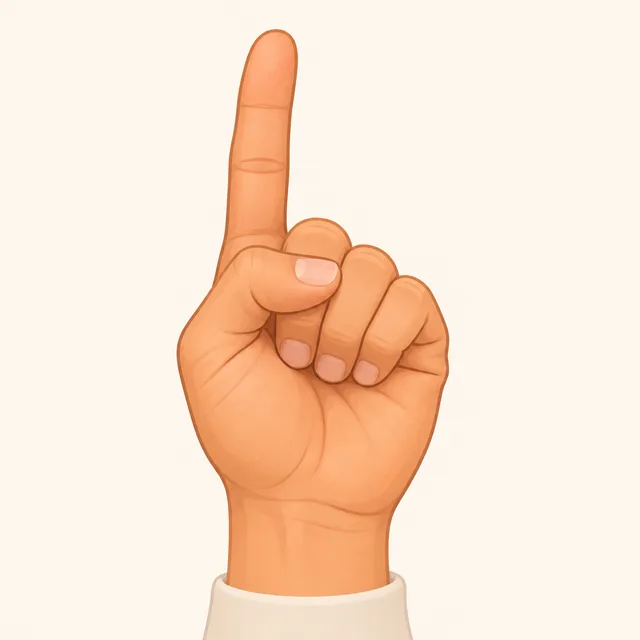 1
Index finger up.
 2
Index and middle fingers up, like a V.
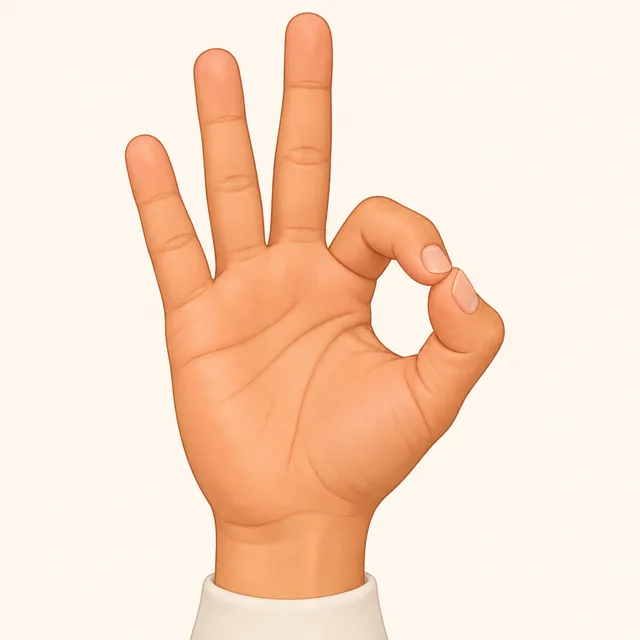 3
Middle, ring and little fingers up, with the thumb and index finger touching (like an OK sign). Some people raise the index, middle and ring fingers instead.
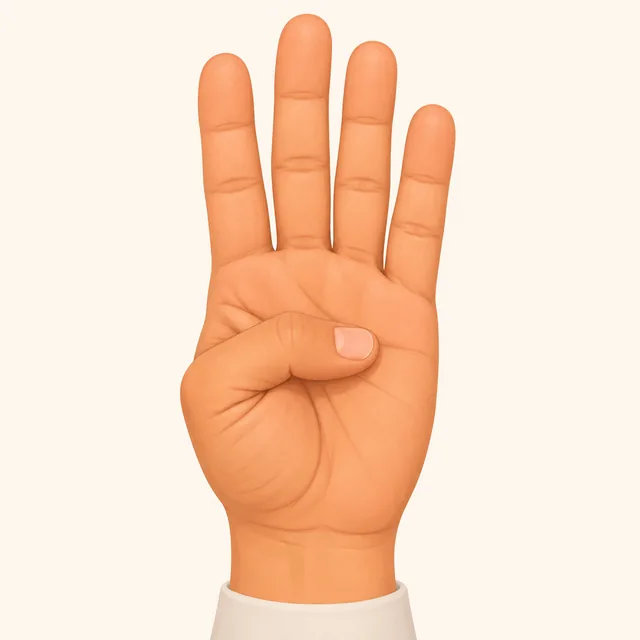 4
Four fingers up, thumb folded across the palm.
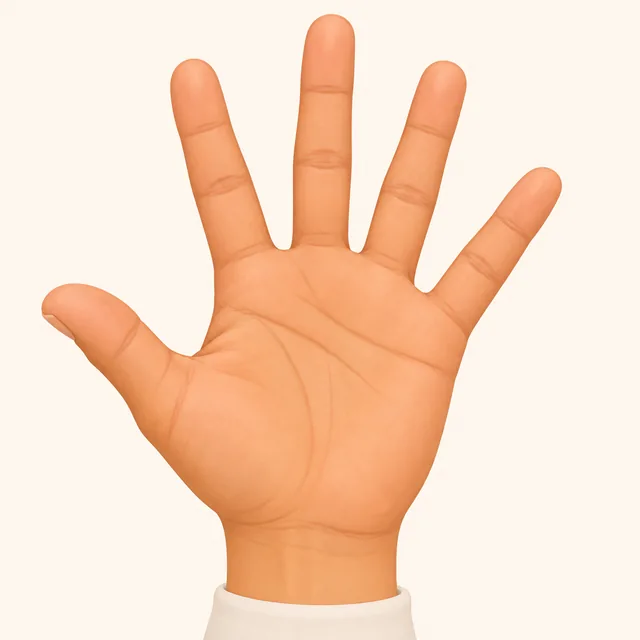 5
Open hand, all five fingers spread.
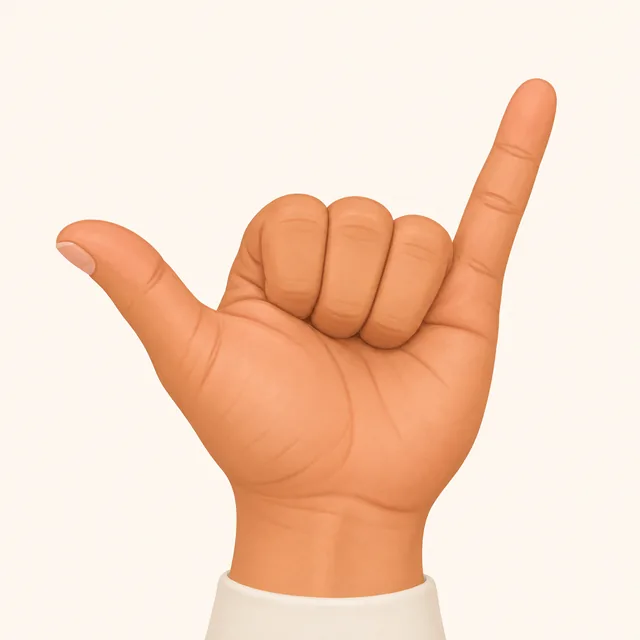 6
Thumb and little finger out, the other three fingers folded.
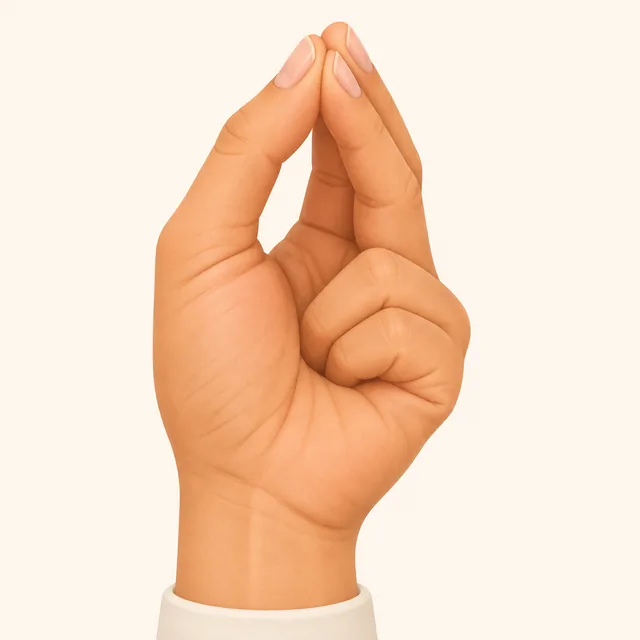 7
The tips of the thumb, index and middle fingers pinched together, pointing up.
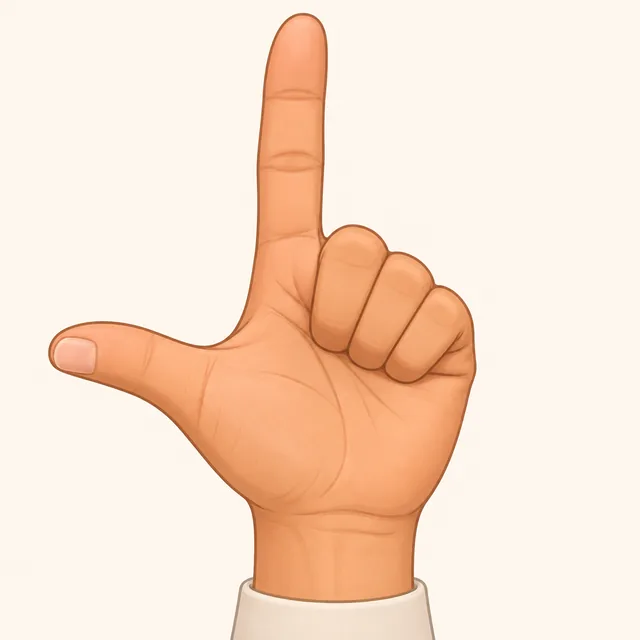 8
Thumb and index finger out in an L shape, like a pistol.
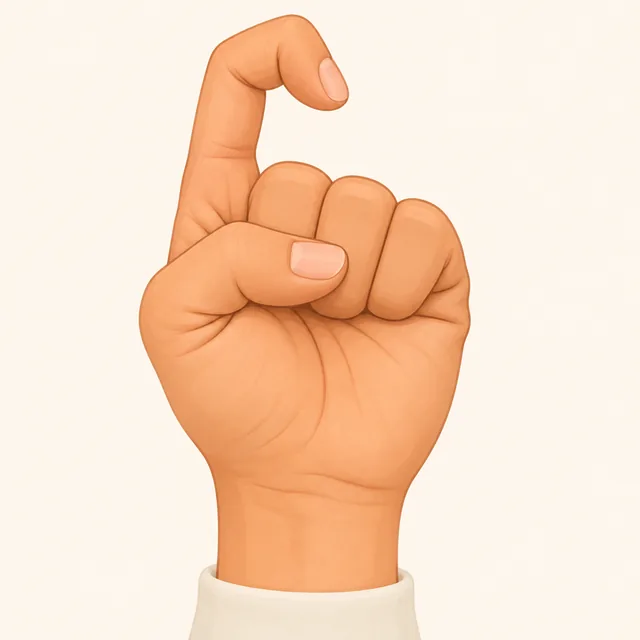 9
Index finger bent into a hook, the other fingers folded.
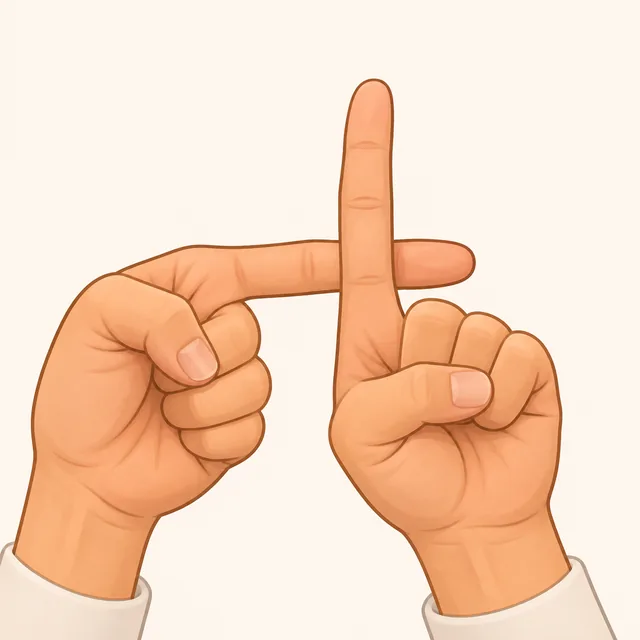 10
A closed fist, or the index fingers of both hands crossed to make 十 (the character for ten).
When bargaining, people often show the number while saying it, so you can be sure you heard the price right.
Useful words
- 吉利jílìlucky, auspicious
- 数字shùzìnumber, digit
- 谐音xiéyīna pun on similar sounds
- 恭喜发财gōngxǐ fācáimay you prosper (a New Year wish)
- 六六大顺liùliù dàshùnmay everything go smoothly
- 好事成双hǎoshì chéngshuānggood things come in pairs
- 红包hóngbāored envelope (gift money)
Frequently asked questions
Why is 8 lucky in Chinese?
Because 八 (bā) sounds like 发 (fā), "to prosper" or "to get rich", as in the New Year wish 恭喜发财. It is the most popular number for prices, phone numbers, car plates and dates.
Why is 4 unlucky in Chinese?
Because 四 (sì) sounds like 死 (sǐ), "to die". The two words differ only in tone. That is why many buildings have no 4th floor and gifts are not given in fours.
What is the luckiest number in Chinese?
8. After it come 6 (everything goes smoothly) and 9 (long-lasting). Combinations such as 168, 518, 888 and 666 are especially popular.
What does 5201314 mean?
我爱你一生一世, "I love you for a lifetime". 520 sounds like 我爱你 (I love you) and 1314 sounds like 一生一世 (for a whole lifetime).
How much money goes in a red envelope?
There is no fixed amount, but it is usually an even number, often with 6, 8 or 9, such as ¥200, ¥666 or ¥888. Amounts with 4 are avoided.
Do Chinese buildings really have no 4th floor?
Many do, especially apartment buildings, hotels and hospitals: the lift goes from 3 to 5. Some also skip 14 and 24. Older and government buildings often keep the 4th floor.
Meanings are based on how the numbers are used in mainland China today. Customs differ between regions and between people.