请出示护照
qǐng chūshì hùzhào
Your passport, please · trad. 請出示護照
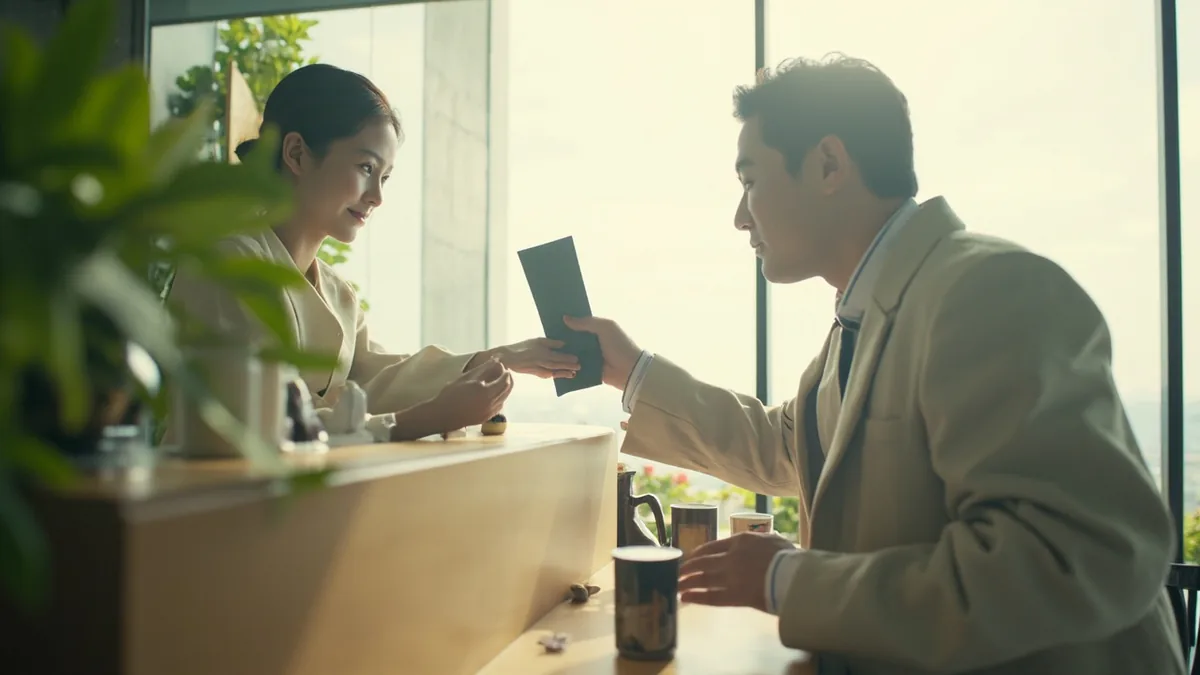
请出示护照 (qǐng chūshì hùzhào) is a polite and direct way to ask someone to show their passport, often used in situations like customs, check-in, or when processing tax-free paperwork.
What does 请出示护照 (qǐng chūshì hùzhào) mean?
请出示护照 (qǐng chūshì hùzhào) means “your passport, please” in English. Word for word, it breaks down as “please show passport.”
When to use it
Polite and formal. It's a standard phrase used by officials or service staff. For a slightly softer tone, you can add “谢谢” (xièxie, “thank you”) at the end.
How to pronounce it
Sounds like “ching CHOO-shrr HOO-jow.” 请 dips (third tone), 出 is high and level, and 示, 护 and 照 all fall sharply (fourth tone).
Other ways to say it
- 请出示您的护照qǐng chūshì nín de hùzhàoYour passport, please (more polite)
- 请给我看一下护照qǐng gěi wǒ kàn yīxià hùzhàoPlease let me take a look at your passport.
- 护照hùzhàoPassport (direct, often used when the context is clear)
Examples
请出示护照,谢谢。
qǐng chūshì hùzhào, xièxie.
Your passport, please, thank you.
办理退税时,请出示护照。
bànlǐ tuìshuì shí, qǐng chūshì hùzhào.
When processing a tax refund, please show your passport.
您好,请出示护照。
nínhǎo, qǐng chūshì hùzhào.
Hello, your passport, please.
Pro tip: 出示 (chūshì) specifically means “to show” or “to present” a document, making it the correct and formal verb for this request, especially for official purposes.
Related phrases
第二件半价 · Second item half price可以免税 · Tax-free is available保质期在这里 · The expiry date is here
Want to speak Chinese for real?
Start a free lesson with a native teacher →
Start a free lesson with a native teacher →