长大了
zhǎngdà le
You've grown so big · trad. 長大了
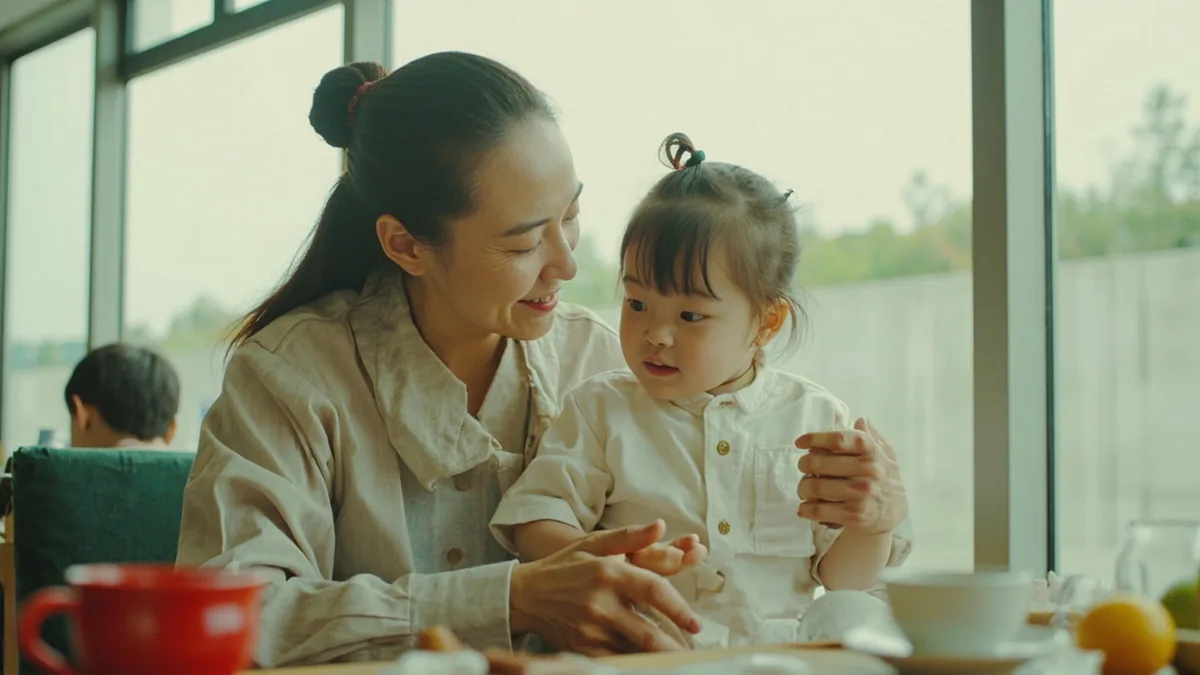
长大了 (zhǎngdà le) is a common and affectionate phrase used to express that someone, usually a child, has grown bigger or matured. It's often a proud remark made by adults at family reunions and birthdays.
What does 长大了 (zhǎngdà le) mean?
长大了 (zhǎngdà le) means “you've grown so big” in English. Word for word, it breaks down as “grown up (particle).”
When to use it
Affectionate and informal. It's typically used by adults when speaking to or about children, often expressing admiration for their growth. It conveys warmth and pride.
How to pronounce it
Sounds like “jahng-DAH luh.” 长 dips (third tone; read zhǎng, “to grow,” not cháng), 大 falls sharply, and 了 is light.
Other ways to say it
- 你长高了nǐ zhǎnggāo leYou've grown taller.
- 你懂事了nǐ dǒngshì leYou've become sensible/mature.
- 长成大孩子了zhǎngchéng dà háizi leYou've grown into a big kid.
Examples
哇,你长大了!都快比我高了。
wā, nǐ zhǎngdà le! dōu kuài bǐ wǒ gāo le.
Wow, you've grown so big! You're almost taller than me.
小明,好久不见,你长大了好多啊!
Xiǎomíng, hǎojiǔ bùjiàn, nǐ zhǎngdà le hǎoduō a!
Xiao Ming, long time no see, you've grown so much!
看到孩子们长大了,心里真高兴。
kàndào háizimen zhǎngdà le, xīnlǐ zhēn gāoxìng.
Seeing the children grown up makes me really happy.
Pro tip: The '了' (le) particle here indicates a change of state, emphasizing that the growth has happened or is noticeable now.
Related phrases
真棒! · Great job好乖 · Good boy or good girl再试一次 · Try again
Want to speak Chinese for real?
Start a free lesson with a native teacher →
Start a free lesson with a native teacher →