别开玩笑了
bié kāi wánxiào le
Stop joking · trad. 別開玩笑了
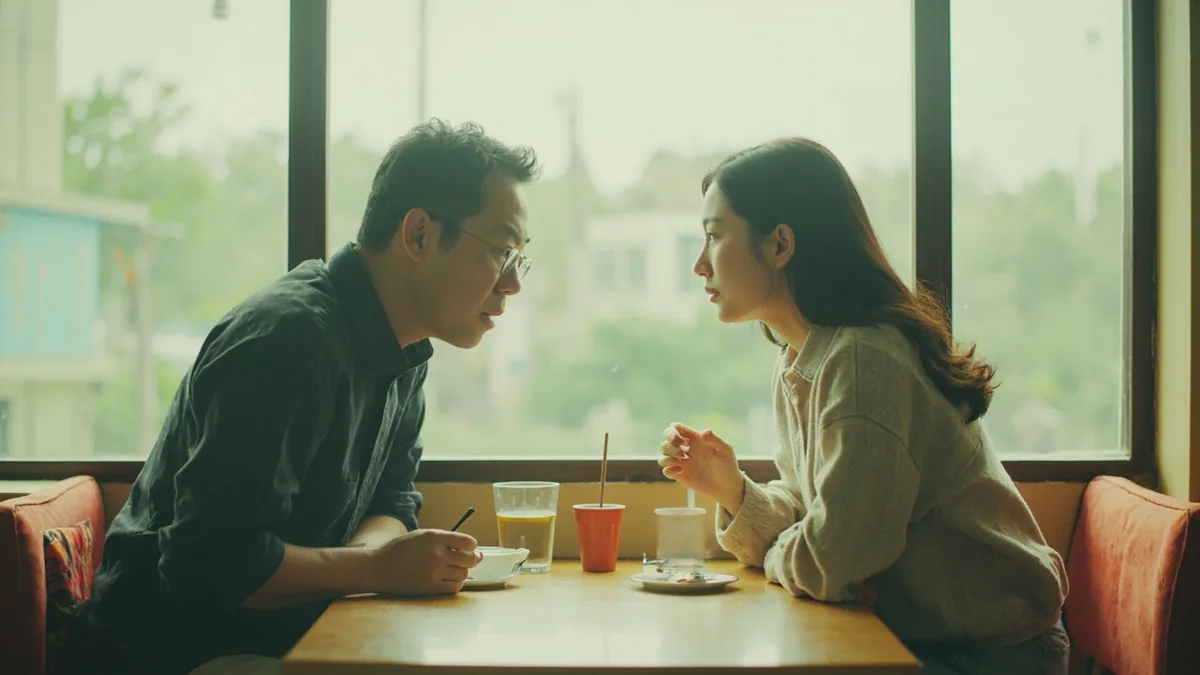
别开玩笑了 (bié kāi wánxiào le) means "stop joking" or "don't joke anymore." It is used to tell someone to be serious or to express disbelief, similar to "you can't be serious!"
What does 别开玩笑了 (bié kāi wánxiào le) mean?
别开玩笑了 (bié kāi wánxiào le) means “stop joking” in English. Word for word, it breaks down as “stop joking (particle).”
When to use it
Neutral to slightly informal. It can be used playfully among friends or more seriously to urge someone to be earnest. For a more direct command to "be serious," use 认真点 (rènzhēn diǎn).
How to pronounce it
Sounds like "byeh KAI wahn-SYOW luh." The final 了 (le) is pronounced with a light, neutral tone.
Other ways to say it
- 别闹了bié nào lestop messing around / stop it
- 认真点rènzhēn diǎnbe serious
- 你开玩笑吧nǐ kāi wánxiào bayou're joking, right?
Examples
别开玩笑了,这事很重要,我们得认真对待。
bié kāi wánxiào le, zhè shì hěn zhòngyào, wǒmen děi rènzhēn duìdài.
Stop joking, this matter is very important, we need to take it seriously.
你别开玩笑了,我真的以为是真的呢!
nǐ bié kāi wánxiào le, wǒ zhēnde yǐwéi shì zhēnde ne!
Don't joke, I really thought it was true!
他总是喜欢开玩笑,但这次我让他别开玩笑了。
tā zǒngshì xǐhuan kāi wánxiào, dàn zhè cì wǒ ràng tā bié kāi wánxiào le.
He always likes to joke, but this time I told him to stop joking.
Pro tip: The particle 了 (le) here indicates a change of state or a new situation, implying "stop doing it now" or "stop doing it anymore."
Related phrases
我觉得很好 · I think it's good开玩笑的 · Just kidding相信我 · Trust me
Want to speak Chinese for real?
Start a free lesson with a native teacher →
Start a free lesson with a native teacher →