加减乘除
jiājiǎn chéngchú
Plus, minus, times, divided · trad. 加減乘除
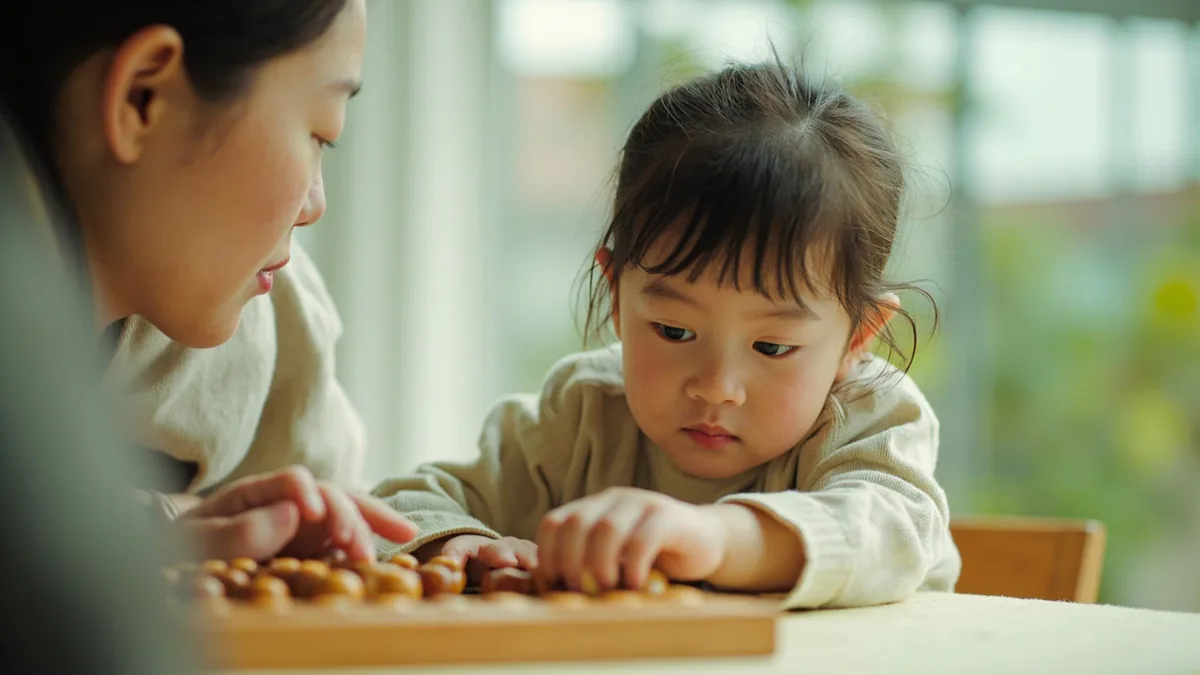
加减乘除 (jiā jiǎn chéng chú) refers to the four basic arithmetic operations: addition, subtraction, multiplication, and division. It is commonly used when discussing fundamental mathematics.
What does 加减乘除 (jiājiǎn chéngchú) mean?
加减乘除 (jiājiǎn chéngchú) means “plus, minus, times, divided” in English. Word for word, it breaks down as “add subtract multiply divide.”
When to use it
Neutral and standard. It's the common way to refer to the four basic operations in educational settings or everyday conversation about math.
How to pronounce it
Sounds like “jee-AH jee-EN chuhng choo.” Each character has its distinct tone: first, third, second, and second.
Other ways to say it
- 加法jiāfǎaddition
- 减法jiǎnfǎsubtraction
- 乘法chéngfǎmultiplication
Examples
我们从小就学习加减乘除。
wǒmen cóngxiǎo jiù xuéxí jiājiǎn chéngchú.
We learn addition, subtraction, multiplication, and division from a young age.
他正在教孩子做加减乘除的练习。
tā zhèngzài jiāo háizi zuò jiājiǎn chéngchú de liànxí.
He is teaching his child to practice the four basic operations.
掌握加减乘除是数学的基础。
zhǎngwò jiājiǎn chéngchú shì shùxué de jīchǔ.
Mastering addition, subtraction, multiplication, and division is the foundation of mathematics.
Pro tip: The four operations are always presented in this fixed order, reflecting their traditional sequence in learning arithmetic.
Related phrases
半 · Half电话号码 · Phone number早上 · Morning
Want to speak Chinese for real?
Start a free lesson with a native teacher →
Start a free lesson with a native teacher →