我吃饱了
wǒ chī bǎo le
I'm full · trad. 我吃飽了
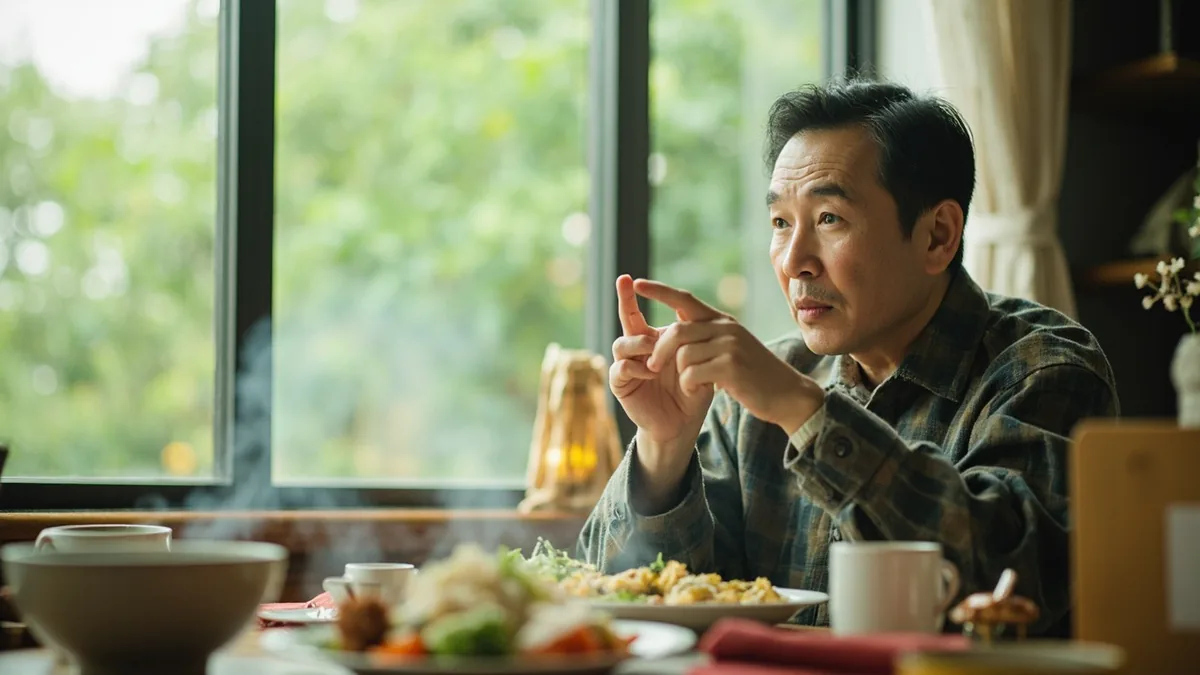
我吃饱了 (wǒ chībǎo le) means “I'm full” or “I've eaten enough.” Speakers use it to indicate satisfaction after a meal.
What does 我吃饱了 (wǒ chī bǎo le) mean?
我吃饱了 (wǒ chī bǎo le) means “I'm full” in English. Word for word, it breaks down as “I eat full particle.”
When to use it
Neutral and polite. It's essential to use this phrase to politely decline more food, especially when dining with Chinese hosts, who will often continue to offer food until you say you're full.
How to pronounce it
Sounds like “wuh chrr-BAOW luh.” The first syllable is a third tone, the second is a first tone, and the third is a neutral tone.
Other ways to say it
- 我吃好了wǒ chī hǎo leI'm done eating (can also imply full)
- 吃不下了chī bu xià leCan't eat anymore
- 够了gòu leEnough (more general, but can be used for food)
Examples
我吃饱了,谢谢!
wǒ chī bǎo le, xièxie!
I'm full, thank you!
你吃饱了吗?
nǐ chī bǎo le ma?
Are you full?
这顿饭真好吃,我吃饱了。
zhè dùn fàn zhēn hǎochī, wǒ chī bǎo le.
This meal was really delicious, I'm full.
Pro tip: Using 我吃饱了 is not just a statement, but also a crucial social signal to hosts that you've had enough and they don't need to offer more food.
Related phrases
我渴了 · I'm thirsty好喝 · Tasty (drink)你想吃什么? · What do you want to eat
Want to speak Chinese for real?
Start a free lesson with a native teacher →
Start a free lesson with a native teacher →