别哭
bié kū
Don't cry · trad. 別哭
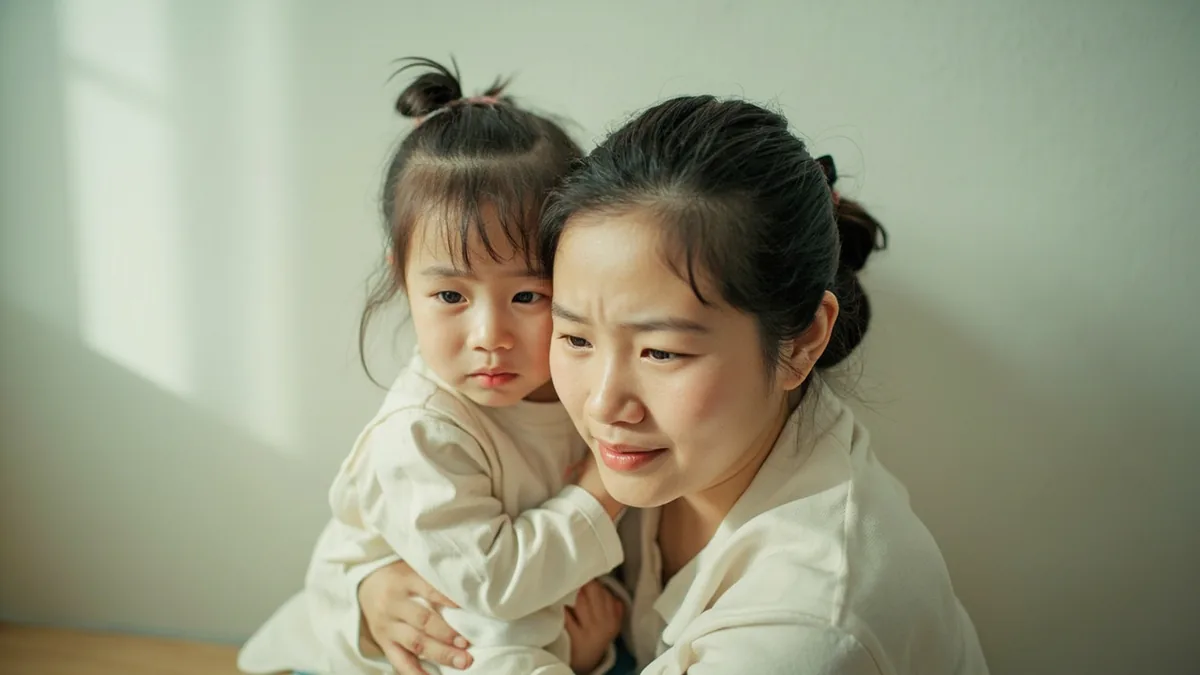
别哭 (bié kū) means 'don't cry'. It's a gentle way to comfort someone who is upset or shedding tears, often said while offering reassurance.
What does 别哭 (bié kū) mean?
别哭 (bié kū) means “don't cry” in English.
When to use it
Gentle and comforting. It's commonly used with children or close friends. For a more general 'don't do X' command, 别 (bié) + verb is a versatile structure.
How to pronounce it
Sounds like “byeh KOO.” 别 rises (second tone), and 哭 is high and level (first tone).
Other ways to say it
- 别难过bié nánguòdon't be sad
- 别伤心bié shāngxīndon't be heartbroken
- 没事儿méi shìrit's okay / no problem (comforting)
Examples
别哭,妈妈在这里。
bié kū, māma zài zhèlǐ.
Don't cry, Mom is here.
小妹妹,别哭,哥哥给你讲故事。
xiǎo mèimei, bié kū, gēge gěi nǐ jiǎng gùshi.
Little sister, don't cry, big brother will tell you a story.
别哭,一切都会好起来的。
bié kū, yīqiè dōu huì hǎo qǐlái de.
Don't cry, everything will be alright.
Pro tip: 别 (bié) is a common way to form negative commands, meaning 'don't'. It's often used with a soft, comforting tone when telling someone not to cry.
Related phrases
再试一次 · Try again勇敢一点 · Be brave不怕不怕 · There, there — don't be scared
Want to speak Chinese for real?
Start a free lesson with a native teacher →
Start a free lesson with a native teacher →