别生气
bié shēngqì
Don't be angry · trad. 別生氣
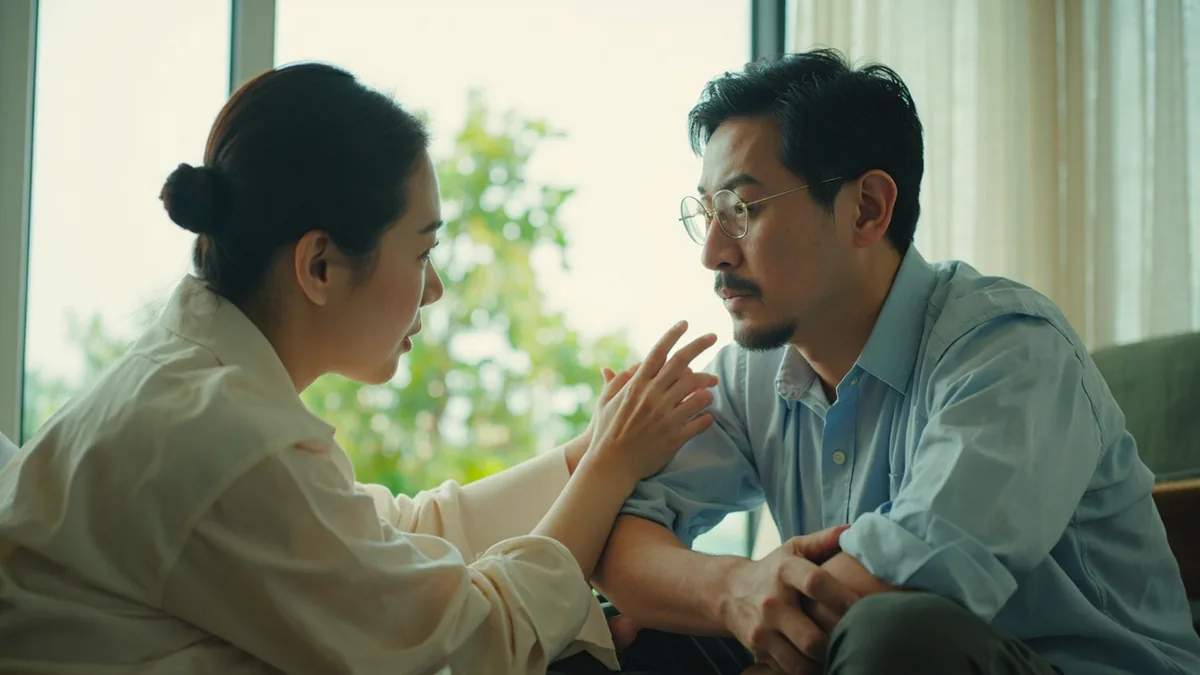
别生气 (bié shēngqì) means “don't be angry” or “don't get mad.” Speakers use it to calm someone down, to apologize in advance, or to prevent an argument. The word 生气 literally means “to generate qi,” referring to the physical sensation of anger.
What does 别生气 (bié shēngqì) mean?
别生气 (bié shēngqì) means “don't be angry” in English. Word for word, it breaks down as “don't get angry.”
When to use it
Neutral. It's a direct plea to someone not to be angry. For a softer touch, you can add 了 (le) at the end: 别生气了. If you want to say “don't lose your temper,” use 别发脾气 (bié fā píqi).
How to pronounce it
Sounds like “byeh SHUNG-chee.” 别 rises (second tone), 生 is high and level, and 气 falls sharply.
Other ways to say it
- 别生气了bié shēngqì ledon't be angry (softer)
- 不要生气búyào shēngqìdon't be angry (more formal)
- 别发脾气bié fā píqidon't lose your temper
Examples
别生气,我不是故意的。
bié shēngqì, wǒ búshì gùyì de.
Don't be angry, I didn't mean to.
请你别生气,我们再谈谈好吗?
qǐng nǐ bié shēngqì, wǒmen zài tántan hǎo ma?
Please don't be angry, shall we talk again?
他总是说别生气,但自己却很容易生气。
tā zǒngshì shuō bié shēngqì, dàn zìjǐ què hěn róngyì shēngqì.
He always says “don't be angry,” but he himself gets angry easily.
Pro tip: 别生气 is often used when you've done something wrong or are about to say something potentially upsetting, as a way to preemptively calm the other person.
Related phrases
别担心 · Don't worry放心吧 · Rest assured冷静一点 · Calm down
Want to speak Chinese for real?
Start a free lesson with a native teacher →
Start a free lesson with a native teacher →