很漂亮
hěn piàoliang
Very beautiful
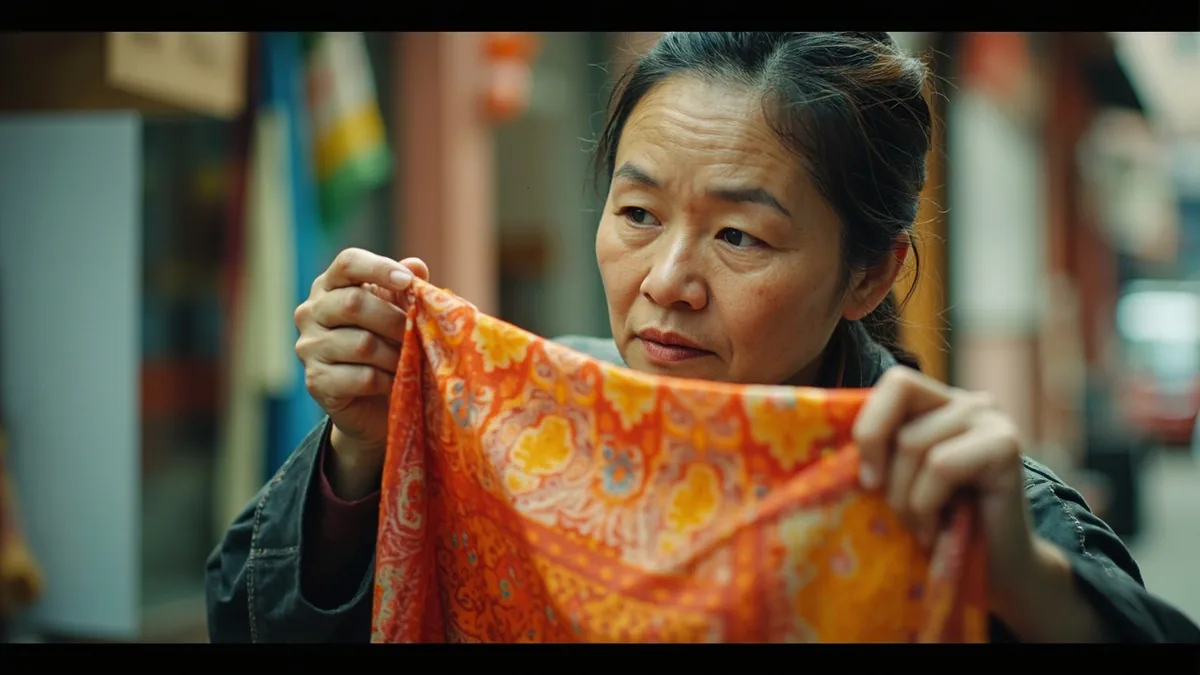
很漂亮 (hěn piàoliang) is a common and versatile way to say 'very beautiful' in Mandarin Chinese. It can be used to describe people, objects, clothes, or even scenery.
What does 很漂亮 (hěn piàoliang) mean?
很漂亮 (hěn piàoliang) means “very beautiful” in English.
When to use it
Neutral and widely applicable. While 很 (hěn) literally means 'very,' it often just serves to link a subject to an adjective, so 很漂亮 can simply mean 'beautiful.' For a stronger emphasis on 'very,' you might use 真漂亮 (zhēn piàoliang, 'really beautiful'). For scenery or more abstract beauty, 美丽 (měilì) is often used, which is a bit more formal.
How to pronounce it
Sounds like 'hun PYOW-lyang.' The 'hen' is a dipping third tone, 'piao' is a falling fourth tone, and 'liang' is often said with a light, neutral tone.
Other ways to say it
- 真漂亮zhēn piàoliangreally beautiful
- 很好看hěn hǎokànvery good-looking (more general, for people/things)
- 很美丽hěn měilìvery beautiful (often for scenery or abstract beauty, more formal)
Examples
这条裙子很漂亮。
zhè tiáo qúnzi hěn piàoliang.
This dress is very beautiful.
她长得很漂亮。
tā zhǎng de hěn piàoliang.
She grew up very beautiful (or 'She is very beautiful').
这里的风景很漂亮。
zhèli de fēngjǐng hěn piàoliang.
The scenery here is very beautiful.
Pro tip: The word 很 (hěn) doesn't always imply a strong 'very.' In many cases, it simply functions to connect a noun to an adjective, making the adjective sound more natural. So, 很漂亮 can often just mean 'beautiful' rather than 'extremely beautiful.'
Related phrases
你很漂亮 · You are beautiful太漂亮了 · So beautiful你真漂亮 · You are so beautiful
Want to speak Chinese for real?
Start a free lesson with a native teacher →
Start a free lesson with a native teacher →