漂亮
piàoliang
Pretty
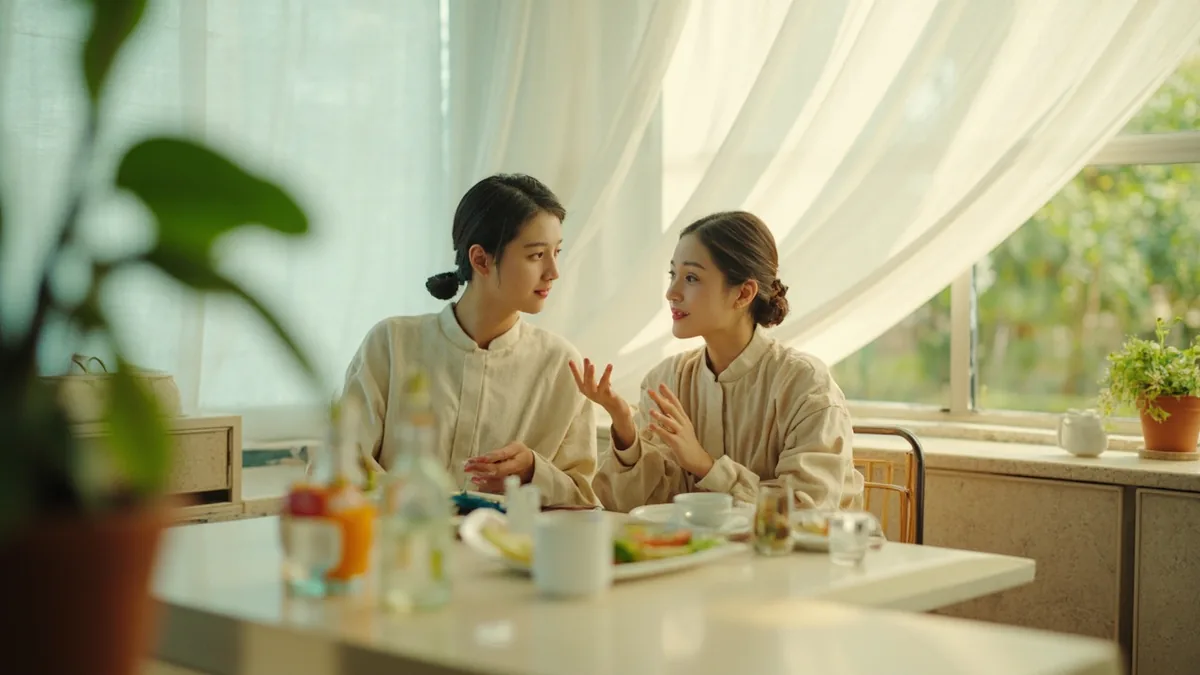
漂亮 (piàoliang) is the most common and versatile way to say 'pretty' or 'beautiful' in Mandarin Chinese. It can describe people (especially women and girls) as well as objects, scenery, or even abstract concepts like a good performance.
What does 漂亮 (piàoliang) mean?
漂亮 (piàoliang) means “pretty” in English. Word for word, it breaks down as “beautiful bright.”
When to use it
Neutral and widely used. For a more general 'good-looking' that applies to anything, use 好看 (hǎokàn). For a more formal or poetic sense of 'beauty,' especially for scenery or art, you might hear 美丽 (měilì). For men, use 帅 (shuài) for 'handsome.'
How to pronounce it
Sounds like “PYAO-lyang.” The first syllable is a high, flat tone; the second is usually said lightly (neutral tone).
Other ways to say it
- 好看hǎokàngood-looking (general, for people/things)
- 美丽měilìbeautiful (more formal/poetic, often for scenery)
- 帅shuàihandsome (for men)
Examples
她今天穿得真漂亮!
tā jīntiān chuānde zhēn piàoliang!
She's dressed so pretty today!
这个地方的风景很漂亮。
zhège dìfang de fēngjǐng hěn piàoliang.
The scenery in this place is very beautiful.
你的新手机很漂亮。
nǐde xīn shǒujī hěn piàoliang.
Your new phone is very pretty.
Pro tip: While 漂亮 often means 'pretty' or 'beautiful,' 好看 (hǎokàn) is a more general term meaning 'good-looking' or 'nice to look at.' You can use 好看 for almost anything, whereas 漂亮 often implies a higher degree of aesthetic appeal, especially for people or things that are visually striking.
Related phrases
美丽 · Beautiful美 · Character beautiful太漂亮了 · So beautiful
Want to speak Chinese for real?
Start a free lesson with a native teacher →
Start a free lesson with a native teacher →