师傅
shīfu
Master · trad. 師傅
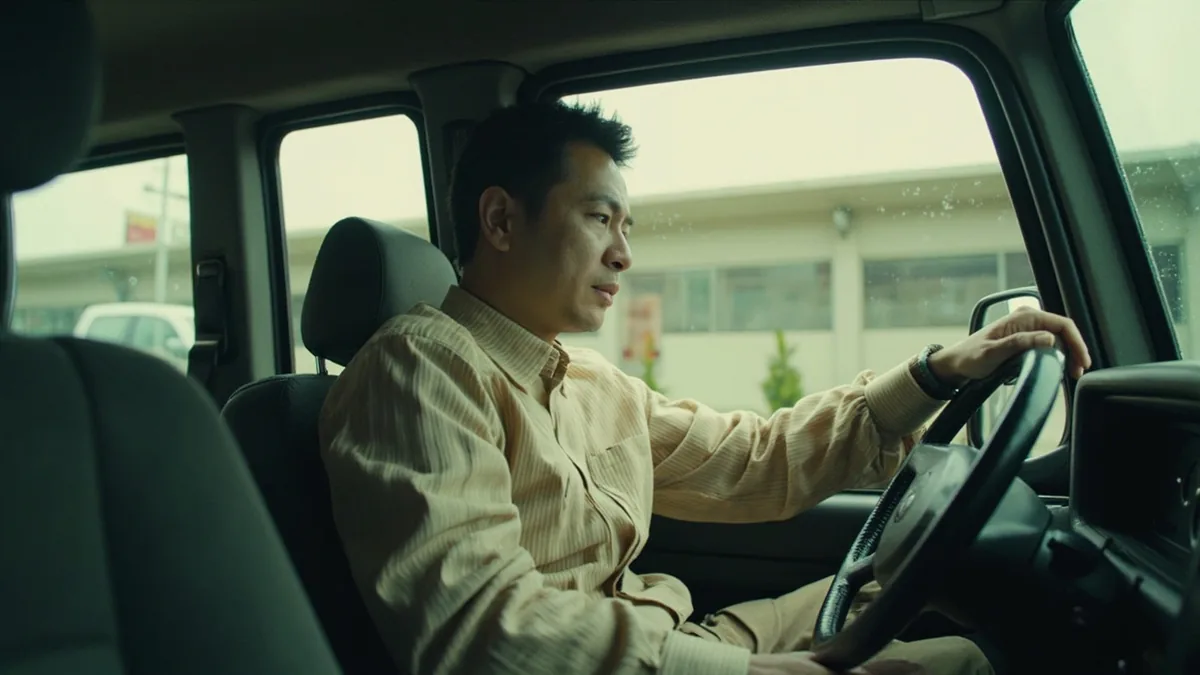
师傅 (shīfu) is a versatile and respectful term in Mandarin Chinese, commonly used to address skilled workers like taxi drivers, chefs, or repairmen. It can also be a general polite way to address a stranger, similar to 'sir' or 'mister,' especially someone older or in a service role.
What does 师傅 (shīfu) mean?
师傅 (shīfu) means “master” in English. Word for word, it breaks down as “teacher father.”
When to use it
Neutral and polite. Use 师傅 for skilled tradespeople or as a general respectful address. For a great expert or grandmaster in a field (like martial arts or art), use 大师 (dàshī). For the master of a house or a pet owner, use 主人 (zhǔrén).
How to pronounce it
Sounds like “SHIR-foo.” The first syllable is a high, flat tone, and the second is a light, neutral tone.
Other ways to say it
- 大师dàshīgreat master, grandmaster (expert)
- 主人zhǔrénmaster (of a house, pet owner)
- 老师傅lǎoshīfuold master, experienced craftsman
Examples
师傅,请问到火车站怎么走?
shīfu, qǐngwèn dào huǒchēzhàn zěnme zǒu?
Master (Sir), excuse me, how do I get to the train station?
他是著名的武术大师。
tā shì zhùmíng de wǔshù dàshī.
He is a famous martial arts grandmaster.
这只狗很听主人的话。
zhè zhī gǒu hěn tīng zhǔrén de huà.
This dog is very obedient to its master.
Pro tip: While 师傅 literally means 'teacher father,' it's rarely used to refer to one's actual father. Its primary modern use is for skilled workers or as a respectful general address.
Related phrases
钱 · Money我最好的朋友 · My best friend我的家人 · My family
Want to speak Chinese for real?
Start a free lesson with a native teacher →
Start a free lesson with a native teacher →